

Gentle parenting is something a lot of parents in the United States are talking about these days, and not in a formal or academic way. It comes up in real life conversations, online discussions, and even casual talks between parents at schools or parks.
Some parents hear about gentle parenting and immediately think it means no rules or letting kids do whatever they want. That is not really what it is. At its core, gentle parenting is about how you respond to your child. It is about staying calm, trying to understand what is going on, and guiding behavior without using fear or harsh punishment.It is more about connection than control.
And the reason it is becoming so popular is not because it is a trend people are blindly following. It is because parenting itself has changed. Life is more stressful now, kids grow up in a different environment, and parents are more aware of emotions and mental health than before.
So naturally, people are looking for a way to raise children that feels healthier and more balanced in the long run.
Positive guidance is one of those approaches. It is not perfect, and it is not easy, but it is different enough that many families are trying it.
Here are nine real reasons why gentle approach is gaining popularity.
1. Many parents want to do things differently from how they were raised
This is probably the most personal reason behind the rise of compassionate parenting. A lot of parents today grew up in homes where discipline was strict. Sometimes that meant shouting. Sometimes it meant punishment without explanation. Sometimes it just meant emotions were not really talked about. Now many of these parents are trying to move toward Positive parenting, which focuses more on teaching, guiding, and building understanding instead of using fear or control. It is a shift toward more patience, more listening, and more connection in everyday parenting moments.
Now those same people are adults raising their own kids, and they often remember how those moments felt. Even if their parents loved them, the way things were handled emotionally is something they do not want to repeat.
So when they become parents, they start thinking differently. Not because they read a book first, but because of memory. Because of experience.
Gentle parenting becomes a way to say, I want something calmer for my child. I want them to feel safe talking to me, not afraid of me.
That emotional shift is a big reason this approach keeps growing.
2. People are understanding child behavior more clearly now
There has been a big change in how people view children’s behavior.In the past, behavior like tantrums, crying, or refusing to listen was often seen as bad behavior that needed quick correction.
Now more parents are realizing something important. A lot of that behavior is not intentional. It is communication.
A child might be overwhelmed, tired, hungry, or frustrated. They might not even know how to explain what they are feeling.
Responsive parenting encourages parents to slow down in those moments instead of reacting immediately. Instead of thinking what is wrong with this child, they start asking what is happening with this child.
That change in thinking makes everyday parenting less reactive and more thoughtful.
It does not remove challenges, but it changes how those challenges are handled.
3. Emotions are no longer being ignored
A big shift in modern parenting is that emotions are finally being taken seriously.In many older parenting styles, the goal was often to stop emotional expression quickly. Things like crying or anger were sometimes seen as something to shut down.
Now parents are starting to see emotions differently.
In this compassionate model, emotions are not treated as problems. They are treated as signals.
If a child is angry, the anger is not ignored or punished. Instead, it is acknowledged and guided.
For example, instead of saying stop crying, chelsea might say I can see you are really upset right now. Let’s figure it out together.
It sounds simple, but over time it helps children understand their own emotions instead of feeling confused by them.
4. Parenting knowledge is more available than ever
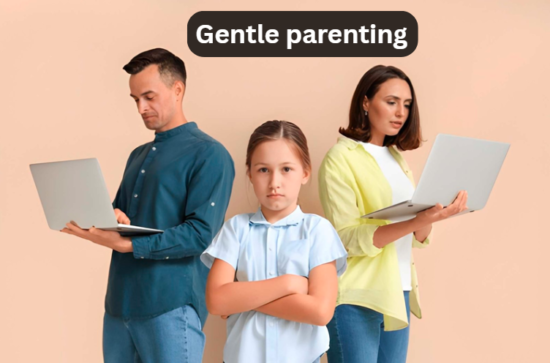
Another reason this modern parenting style is growing is because information is everywhere now.
Parents are not relying only on how they were raised or advice from a small circle. They have access to research, discussions, videos, and different parenting perspectives all the time.
A lot of this information from child development studies points in a similar direction. Children learn better in safe, calm, and supportive environments.
When parents see the same idea repeated from different sources, they start thinking about their own approach more carefully.
This balanced approach fits into this modern learning environment naturally because it focuses on connection, emotional safety, and communication.
5. Discipline is being redefined in real life
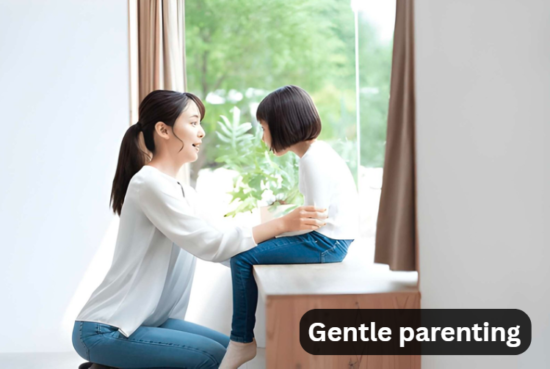
One of the biggest misunderstandings about the respectful model philosophy is discipline.
Many people still think discipline means punishment. But in modern parenting conversations, that definition is slowly changing.
The Gentle method still includes discipline, but it looks different. It is more about teaching than punishing.
Instead of reacting with anger, parents explain what went wrong and what can be done differently next time.
Sometimes children experience natural consequences, like realizing what happens when something is not taken care of.
It is slower and it takes patience, but it helps children actually understand behavior instead of just fearing consequences.
Over time, this often leads to fewer repeated conflicts.
6. Social media made parenting more open
Social media has completely changed how parents learn and share experiences.
Before, parenting struggles were often private. Now they are shared openly in short videos, posts, and discussions.
Parents talk about bedtime struggles, tantrums, picky eating, and everything in between.
This relatable style became popular in this space because it feels real. It is not presented as perfection. It is presented as learning.
People see other parents trying, failing, adjusting, and trying again.
That makes gentle approach feel more accessible. It does not feel like a strict system. It feels like something normal parents are experimenting with in real life.
7. Mental health is part of everyday thinking now
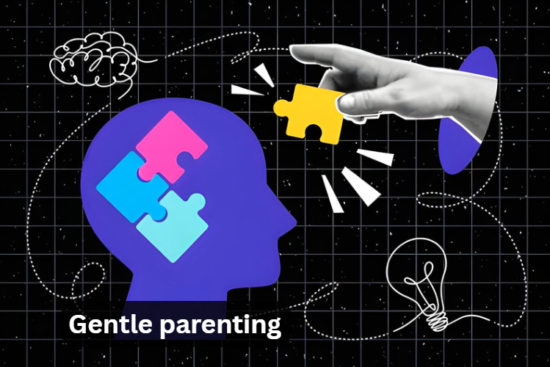
Mental health awareness has grown a lot in recent years. Parents are more aware of stress, emotional burnout, anxiety, and how these things affect both adults and children. Because of that, many families are trying to create calmer homes.mindful guidance supports this shift because it connects directly with emotional intelligence. It helps children notice what they are feeling, put words to it, and slowly learn how to handle those feelings without exploding or shutting down.
This supporative method supports that goal because it reduces constant emotional intensity. There is less shouting and more conversation. Less reacting and more thinking before responding.
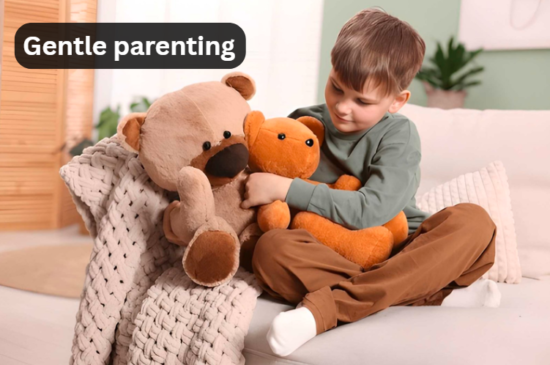
Parents often notice that when they stay calmer, their children also calm down faster. That creates a different atmosphere in the home over time.
It does not solve every problem, but it does reduce unnecessary stress in many situations.
8. Parents care more about long term relationships
Another reason this connection based approach is growing is because parents are thinking beyond childhood behavior. They are not just focused on stopping tantrums or getting immediate obedience. They are thinking about the long term relationship with their child. They want their child to trust them. They want open communication. They want their child to come to them even during difficult teenage years or adulthood. This is where Discipline strategies become important, because this style still sets limits, but it does it in a calmer and more teaching based way instead of punishment. Parents try to guide behavior, explain consequences, and stay connected even when correcting mistakes.
Building trust early focuses on building that trust early.
Even during conflict, the goal is not to break connection. It is to guide behavior while staying emotionally available.
That is not always easy in real life, but many parents feel it is worth it.
9. It fits real life better than perfect parenting
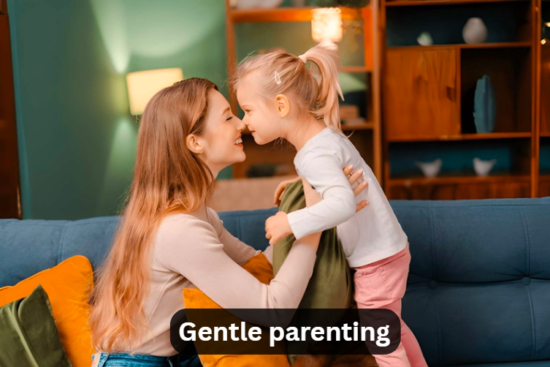
One honest reason realistic style is popular is because it feels more realistic. Modern life is busy. Parents are tired. Kids are energetic. Things do not always go smoothly. Gentle parenting does not expect perfection. It accepts that mistakes will happen on both sides. What matters more is what happens after those moments. Repairing, talking, reconnecting. That idea feels more doable for many families than strict rules that are hard to maintain in real daily life. In many discussions about responsive parenting, people also refer because she often talks about staying calm in messy real life moments and focusing on connection instead of trying to control everything perfectly.
Conclusion
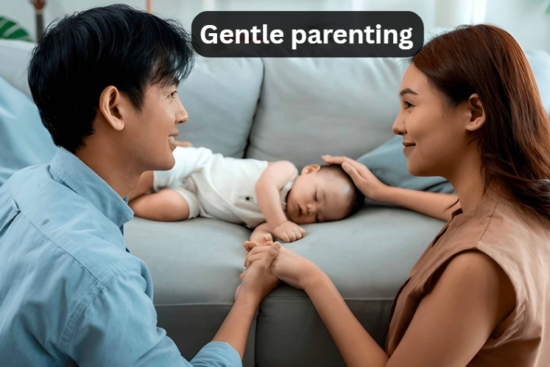
This contemporary strategy is becoming more and more well-liked since it reflects how many parents are feeling these days. Life has changed, kids have changed, and parents have changed too.
It is not about being soft or ignoring discipline. It is about choosing a calmer, more thoughtful way to handle everyday parenting moments.
The path is clear, yet there are days when it’s easy and days when it’s difficult. More parents want connection instead of fear, understanding instead of control, and communication instead of constant conflict.
That is why gentle parenting keeps growing in the United States and why many families continue to explore it in their own way. Read more about parenting at https://momlifefamousparenting.com/