

Emotional intelligence is about how you understand emotions and how you deal with them in real life. It is not a complex theory. It shows up in simple moments.how you respond to stress. how you vent your rage.how you handle other individuals when things don’t go your way.
In the US, people frequently prioritize education, experience, and skills. They are important, but they don’t tell the whole story. Being able to recognize and manage emotions also plays a big role in success, relationships, and mental health.
It affects how people handle pressure, solve problems, and connect with others. Some people stay calm in difficult situations. Others react quickly and regret it later. The difference is often how well they handle emotions.
The good thing is this skill is not fixed. You can improve it with practice. It starts with small changes in awareness and behavior.
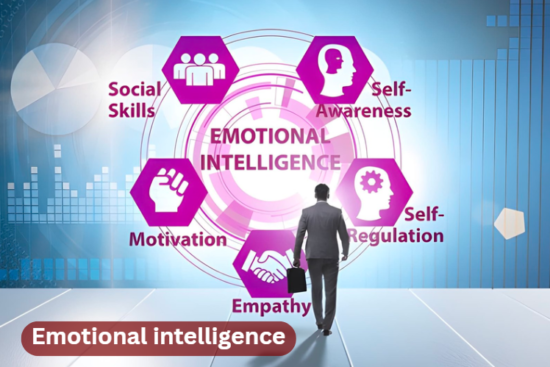
The five essential components of emotional intelligence will be covered in this essay. All of them are easy to comprehend yet effective in actual life. You will also see how these skills show up in parenting, work, and daily situations.
What Emotional Awareness Really Means
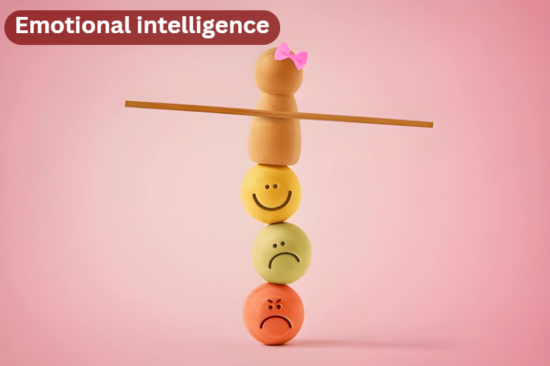
The ability to recognize and manage emotions is known as emotional awareness. It includes your own feelings and the feelings of others around you.
Most people think emotions are automatic, and in a way they are. You feel happy, angry, stressed, or calm without planning it. But what happens next is where emotional intelligence makes a difference. Some people react immediately without thinking. Others pause and respond in a more controlled way. Awareness is about that pause.
For example, you may feel upset during a conversation. Rather than yelling or leaving, you pause to comprehend the true situation. Maybe you are not just angry. Maybe you are tired or stressed.
This kind of thinking helps in everyday life. It reduces conflict and improves communication.
It also matters in Child development. Children learn emotional behavior from adults. If they see calm reactions, they slowly learn to behave the same way.
Being aware of emotions is not about ignoring them.
Why Understanding Emotions Matters in Daily Life
Understanding emotions affects almost every part of life. It influences how people speak, how they react, and how they deal with stress. At work, awareness and emotional intelligence help people stay focused and calm. It improves teamwork and reduces misunderstandings. People who recognize emotions often handle pressure better. In the United States, many employers now value emotional awareness because it improves workplace behavior and communication.
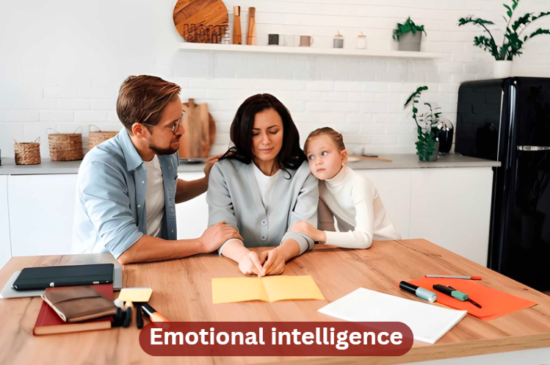
At home, being aware of emotions is just as important. It supports Positive parenting because it helps parents stay patient and understanding.
When parents manage their emotions well, children feel safer. They are more likely to express themselves instead of hiding feelings.
Different Parenting styles often come from emotional control. Some parents react quickly when they are stressed. Others take time before responding. That small difference can change the home environment.
You can also see real-life experiences shared on platforms. Many parents talk about how hard it is to stay calm, but also how important it is.
Being aware of emotions does not remove stress. It helps you handle it in a better way.
1. Self Awareness is the First Skill
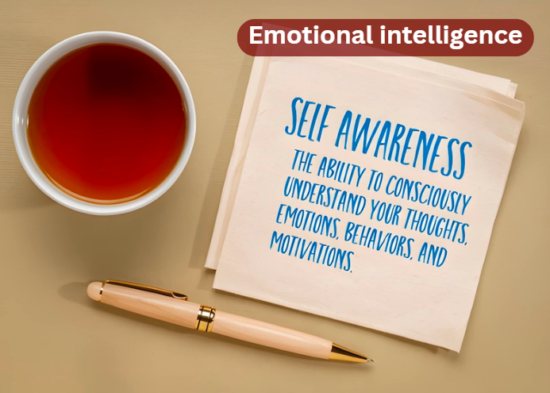
Being self-aware entails being conscious of your own feelings. Although it seems easy, a lot of individuals find it difficult.
Most people feel emotions without thinking about them. They react first and understand later. Self awareness changes that pattern.
You may feel angry in traffic. You may feel stressed at work. You may feel upset during a conversation.
Instead of reacting immediately, you pause and ask what you are actually feeling.When you understand the real emotion, your response changes.
Self awareness also helps you notice patterns in your behavior. Maybe you get irritated when you are hungry. Maybe you shut down during arguments. These patterns are important.
In parenting, self awareness is very helpful. Children can test patience, and without awareness, reactions can become harsh.
This idea is often discussed in spaces like chelsea acton famousparenting, where real parenting experiences show how emotions affect behavior.
A simple way to build self awareness is to pause during the day and check in with yourself. Ask what you feel and why. No judgment. Just notice it.
2. Self Regulation Helps You Stay in Control
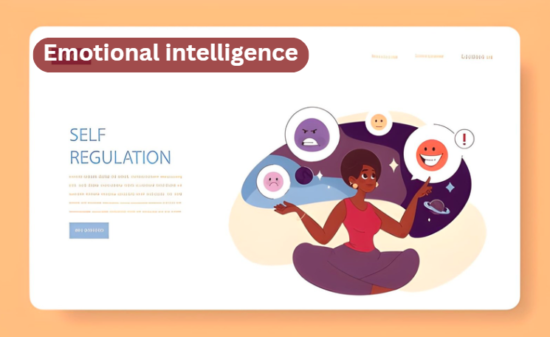
Self regulation is about managing emotions instead of reacting to them immediately.
Everyone feels strong emotions. Anger, stress, frustration, and even sadness are normal.
Without self regulation, emotions take control. People say things they do not mean. They make decisions they regret later.
With self regulation, there is a pause. That pause helps you think before acting.
For example, during an argument, instead of raising your voice, you slow down and respond calmly. This changes the direction of the situation.
At work, self regulation helps people handle pressure. Deadlines, criticism, and stress become easier to manage when emotions are controlled.
At home, it is even more important. Parenting is emotional. Kids can be loud, emotional, and unpredictable. Without control, small problems can become big conflicts.
Many parenting discussions on sites focus on staying calm in difficult moments. It is simple advice, but not always easy to follow.
A useful habit is to pause before responding. Even a few seconds can change the outcome of a situation.
3. How Motivation Affects Your Emotions

Motivation is not about external rewards. It is about inner strength. It is what helps you continue after failure or stress.
People who understand emotions well do not avoid challenges. They face them, even when it is uncomfortable.
For example, a parent may feel tired but still tries to stay patient with their child. A worker may feel pressure but still continues working toward goals.
When you notice frustration, you do not let it stop you. You accept it and move forward.
Motivation also helps build consistency. Real change is produced by small actions repeated over time.
People concentrate on making steady progress rather than attempting to complete everything at once.
4. Empathy Builds Strong Connections

Empathy means understanding how other people feel.It’s not about getting along with everyone. It’s about attempting to comprehend their experience.
Empathy shows up when you listen without interrupting.Even if they don’t express it openly, you can tell when someone is sad. when you make an effort to comprehend rather than pass judgment.
In families, empathy builds trust. Children feel safer when they feel understood. They open up more and communicate better.
This supports healthy emotional foundations because emotional support shapes confidence and behavior over time.
In workplaces, empathy improves teamwork. People communicate better when they feel understood.
Empathy is not a big action. It is a simple habit of paying attention.
5. Social Skills Make Everyday Life Easier
Social skills bring all emotional skills together. They help you interact with people in a clear and respectful way.
These skills include communication, listening, and handling disagreements.People with strong social skills do not avoid conflict. They handle it in a calm way.They listen more. They speak clearly. They avoid unnecessary arguments.
In daily life, this makes relationships smoother. People understand each other better.
At work, social skills are very important. Good communication improves teamwork and leadership.
At home, social skills reduce misunderstandings. Families communicate better and argue less.
It is not about being social all the time. It is about being aware of how you interact with people.
How to Strengthen Your Emotional Skills Over Time
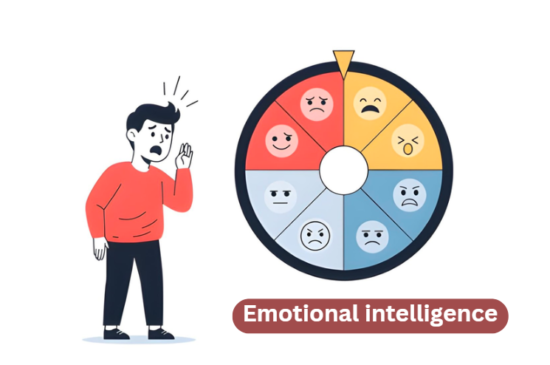
No big effort is needed at once. Just consistency.
Over time, people notice changes. They stay calmer. They react less. They understand others better.
These changes slowly improve relationships and reduce stress.
Handling Emotions in Everyday Situations
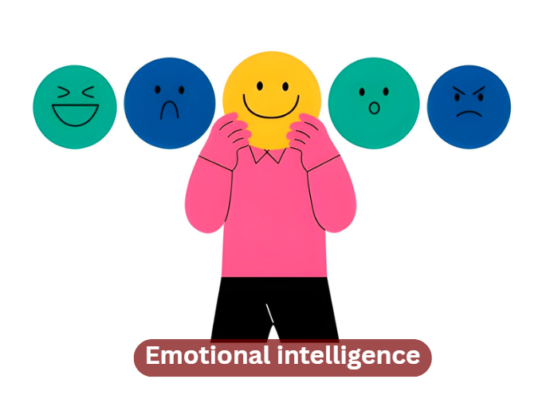
Managing emotions is not theory. It is daily behavior.At work, it helps you stay calm during pressure. At home, it helps you handle family situations better.
In conversations, it helps you listen instead of reacting. In conflicts, it helps you respond instead of arguing.
These small moments shape daily life.
Conclusion
Being aware of and managing emotions is a practical skill that affects everything in life.It modifies your feelings, ideas, and social relationships.This is what emotional intelligence is all about.The five core skills are complementary to one another.
It’s not necessary to be perfect. You just need to start noticing your emotions and improving how you respond. Life feels more balanced. Relationships become easier. Stress becomes more manageable.
That is the real value of understanding and handling emotions. Read more about parenting at https://momlifefamousparenting.com/