
Parenting styles shape how children think, act, and connect with others. Every parent makes daily choices that affect a child’s growth. Some choices build confidence and trust. Others can lead to fear or confusion. That is why understanding parenting approaches matters.
In the United States, many families are trying to balance work, school, and home life. This can make parenting feel stressful. People often follow habits they learned from their own parents without thinking about the long term effects. But small changes in approach can make a big difference in a child’s behavior.
This post explains 7 major parenting styles by chelsea and how each one affects children. You will see how discipline, communication, and emotional support play a role. It also looks at real life patterns seen in childhood growth research. The goal is simple. Help you understand what works, what does not, and why.
By the end, you will have a clearer idea of how parenting strategies influence behavior and how to adjust your approach in a way that feels natural and honest.
Understanding Parenting Approaches in Daily Life
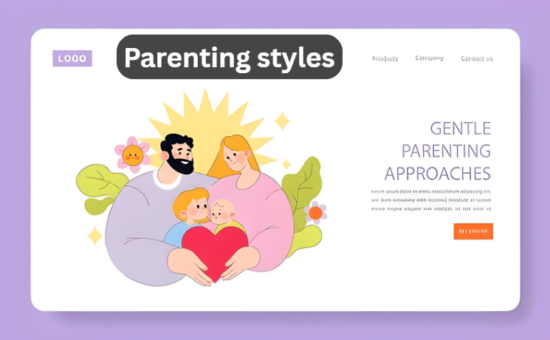
Parenting styles are not just theories. They show up in everyday moments. How you respond when your child makes a mistake matters. How you set rules matters too.
In most homes, parenting methods are shaped by stress, culture, and past experiences. In the US, busy schedules often lead to quick decisions. Some parents become strict because they feel pressure to keep control.
Research in childhood evolution shows that consistency plays a big role in behavior. Children feel safer when they know what to expect. When rules change often, kids may act out or become anxious.
One thing many top parenting resources highlight is balance. Children need both structure and emotional support.
Parents who follow platforms like mom parenting often share real stories about this balance. What matters is being aware and willing to adjust.
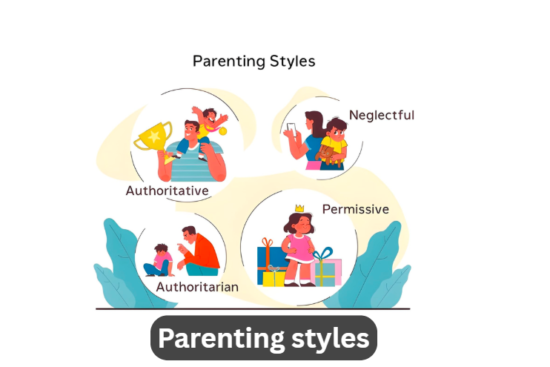
This is a straightforward way to consider parenting strategies. How much control do you use and how much warmth do you show. That mix defines your style.
Authoritative Parenting and Balanced Discipline
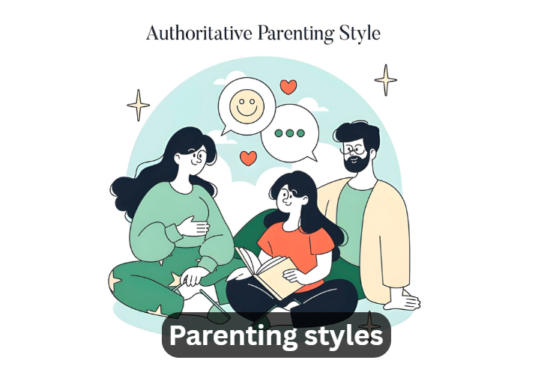
Authoritative parenting is often seen as the most effective approach. It combines clear rules with emotional support. Parents guide their children but also listen to them.
In this style, rules are explained. Children understand why something is right or wrong. This helps them build internal discipline instead of just following orders.
Studies in childhood progress show that kids raised this way tend to perform better in school.
In everyday life, this could mean establishing a bedtime and outlining the importance of sleep.. If a child breaks a rule, the parent responds calmly and explains the consequence.
Parents who follow Positive parenting methods often use this style. They focus on teaching instead of punishing. This creates trust between parent and child.
A unique insight here is that Parenting styles like authoritative parenting do not mean being perfect. It means being consistent. Even small efforts like listening fully when your child speaks can build strong habits over time.
Authoritarian Parenting and Strict Control
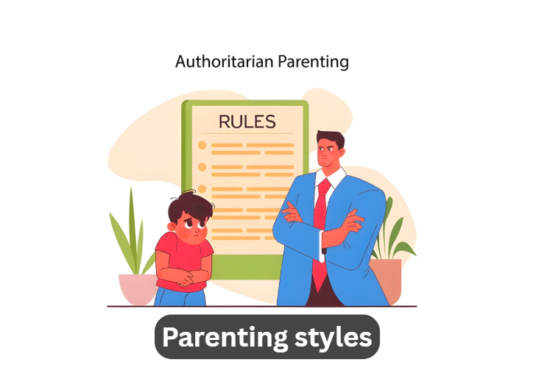
Authoritarian parenting is based on strict rules and high expectations. Obedience is the main goal. There is little room for discussion.
In many homes, this style comes from a desire to protect children. Parents believe that strict control keeps kids safe. But research shows mixed results.
Children raised in this environment often follow rules well in the short term. But they may struggle with confidence later. They may fear making mistakes or avoid sharing their thoughts.
In the US, this style is sometimes seen in high pressure academic households. Parents push for success but may not provide emotional support.
Real world studies show that these children can become either very quiet or very rebellious. The lack of open communication plays a big role in this.
A different perspective is that some structure is useful. The issue is not rules themselves. The issue is the absence of warmth. When children feel heard, they are more likely to respect rules.
Permissive Parenting and Lack of Boundaries
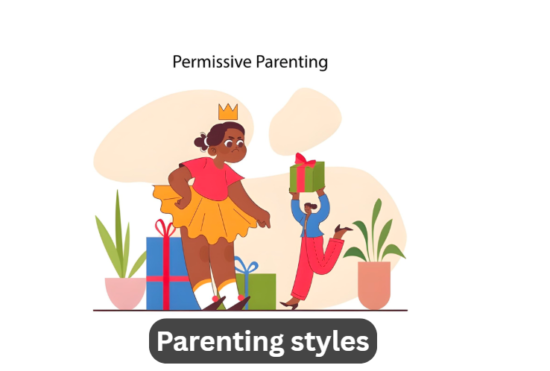
Permissive parenting focuses on freedom. Parents are warm and caring but set very few limits. They avoid saying no.
This style often comes from a desire to be close to the child. Parents want to be seen as supportive and understanding. But without boundaries, children may struggle with self control.
Research shows that children raised this way can have trouble following rules in school. They may also act impulsively.
In everyday life, this might look like allowing unlimited screen time or skipping routines. While it feels easy in the moment, it can lead to problems later.
Communities like famous life often discuss how hard it is to set limits. Many parents feel guilty when they enforce rules.
A useful insight is that boundaries are not a form of rejection. They are a form of guidance. Children feel safer when limits are clear.
Uninvolved Parenting and Emotional Distance
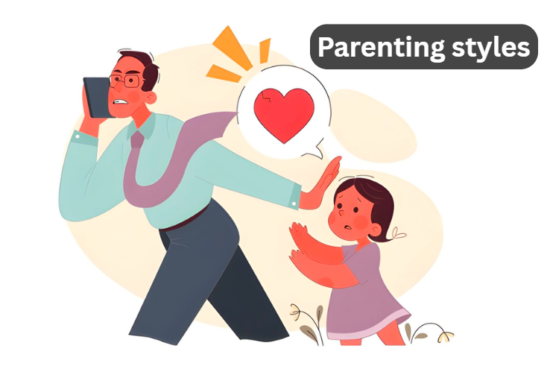
Uninvolved parenting is when a parent isn’t really there for the child in a meaningful way. They might be in the same house, but there’s not much connection. The child is mostly on their own.
This doesn’t always happen on purpose. Life gets busy. Work takes over. Sometimes parents are dealing with their own problems and don’t have much energy left.
Kids in this situation can start to feel like they don’t matter. That feeling can stay with them. It can affect how they act, how they do in school, and how they deal with other people. They may find it hard to trust others or open up.
The lack of guidance leaves them unsure of what is expected.
Web resources highlight how this style can develop slowly. It is not always intentional. It often starts with small gaps in attention.
Here, awareness is crucial. Even brief instances of genuine connection can have an impact. Simple actions like talking during meals can help rebuild bonds.
Attachment Parenting and Emotional Connection
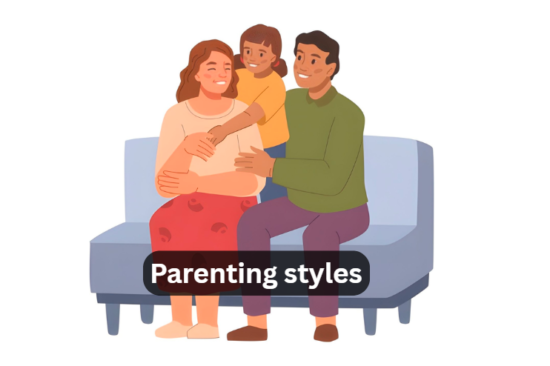
Attachment parenting is really about being there for your child when they need you. If they’re upset or need comfort, you respond instead of brushing it off.
A lot of parents who choose this approach care a lot about staying close to their child and building a strong connection from the start.
It includes practices like co sleeping and constant communication.
Research in childhood progress shows that secure attachment leads to better emotional regulation. Children feel safe and supported.
In daily life, this might mean comforting a child immediately when they are upset. Parents stay closely involved in their routines.
Some critics say this style can be too intense. But when balanced, it helps children develop trust.
The fact that connection does not imply dependency is a crucial realizatio.
Free Range Parenting and Independence

Free range parenting encourages independence. Children are given more freedom to explore and make decisions.
This style has gained attention in the US as a response to overprotective parenting. Parents allow kids to take age appropriate risks.
Research shows that this can build problem solving skills. Children learn from real experiences instead of constant guidance.
In real life, this could mean letting your child walk to school or play outside without watching them every second. Some parents feel nervous about this, and that makes sense. Safety matters. But giving a little freedom, based on your child’s age and maturity, can help them grow.
Small risks can actually teach responsibility. When kids figure things out on their own, they gain confidence. That kind of confidence does not come from rules alone.
Helicopter Parenting and Over Involvement
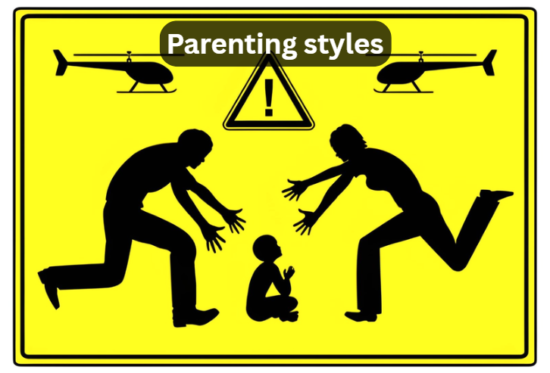
Helicopter parenting is when parents stay involved in almost everything their child does. They watch closely and step in quickly.
Most of the time, this comes from care. Parents want to protect their child and help them succeed. But too much involvement can hold a child back.
Kids need space to try, fail, and try again. When parents solve every problem, children may start depending on others instead of thinking for themselves.
Teachers in the US often notice this in classrooms. Some children hesitate to make decisions on their own. They worry about making mistakes.
In everyday life, this can look like planning every detail of a child’s day or stepping in during small challenges. Support is important, but space matters too. Growth happens when kids learn by doing.
How Parenting Methods Shape Long Term Behavior
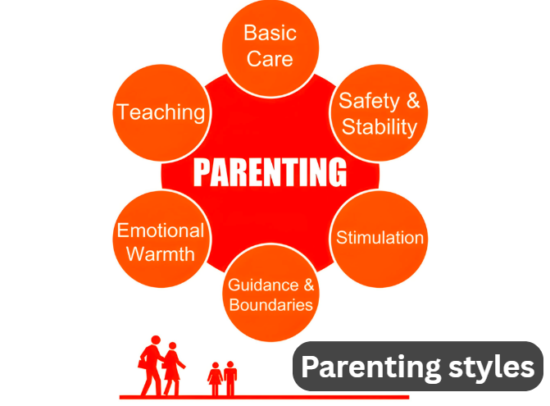
Parenting techniques do not just affect childhood.They influence a person’s thoughts and actions throughout later life.
The way children are raised often shows up in how they handle stress, relationships, and responsibility as adults. Research in child development supports this again and again.
Children who grow up with balanced parenting usually manage emotions better. They tend to build healthier relationships and feel more secure in themselves.
On the other hand, very strict or very loose parenting strategies can lead to problems later. Too much control may lead to fear or low confidence. Too little guidance can leave a child feeling lost.
In the US, many mental health professionals link early parenting experiences to adult behavior. Parents can shift their approach over time. Even small changes can make a real difference.
Finding the Right Parenting Style for Your Family
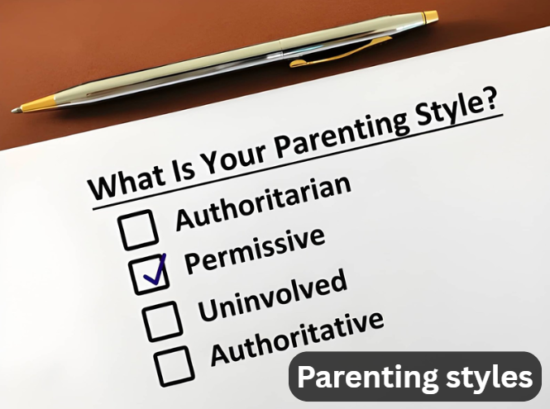
No parenting approach is ideal.Every family has a unique set of circumstances, and every child is unique.
What works for one child may not work for another. That is why flexibility matters. Parenting methods are not fixed rules. They are guides.
A good approach is to mix warmth with clear boundaries.Parents who adjust based on their child’s needs often see better results. They pay attention and respond instead of following one strict method.
Parenting is ultimately not about labels. It is about building trust, staying consistent, and helping your child grow.
Conclusion
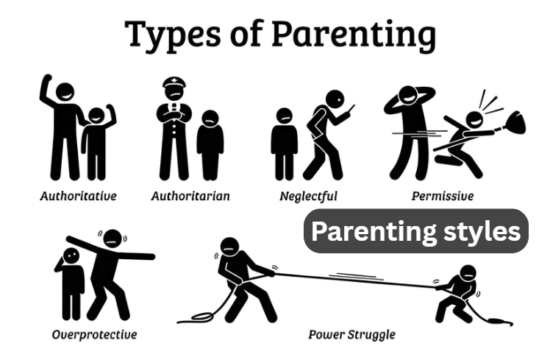
Parenting practices have a strong impact on how children behave and grow.Each style has pros and cons of its own. The most important thing is to be conscious of how your actions impact your child.
Children require both assistance and direction.When they receive both, they are more likely to develop into confident, responsible adults.
This post looked at 7 major parenting approaches and how they influence behavior. It also showed how everyday choices shape a child’s future.
The main point is simple. Stay present. Stay consistent. And keep learning. Small changes in parenting styles can lead to better outcomes over time. Read more about parenting at https://momlifefamousparenting.com/