

Life in the United States moves fast. Most families are juggling work, school, bills, and a constant stream of notifications on their phones. Everyone is under the same roof, but it doesn’t always feel like everyone is actually together.
That’s kind of the problem today. Families are physically close but emotionally a bit scattered. Not because people don’t care, but because everything is pulling attention in different directions.

Family bonding is what brings things back to the center. And it doesn’t have to be complicated. It usually shows up in small, normal moments that don’t look special at first but end up meaning a lot later.
A short dinner conversation. A random walk outside. Cooking something together on a weekend. These things don’t feel like “activities,” but they quietly build connection over time.
And honestly, most strong families aren’t built through big planned events. They’re built in everyday life without anyone making a big deal out of it.
Here are nine simple things that actually help families feel closer without forcing anything.
1. Just eat together sometimes for Family bonding

This one sounds almost too simple, but it really matters forFamily bonding . A lot of homes don’t really sit and eat together anymore. People grab food when they can. Someone eats in the living room, someone in their room, someone while scrolling on their phone.
It slowly becomes normal, and without noticing, conversations start disappearing too.
When a family actually sits down for a meal together, even if it’s just once a day or a few times a week, something shifts. The pace slows down a bit. People look up from their screens. There’s space for talking.
And the talking doesn’t need to be deep or planned. Most of the time it starts small. Someone talks about school, someone mentions work, someone shares something random that happened during the day.
Teenagers might not say much at first. That’s pretty normal. But over time, they usually open up more when they realize nobody is forcing anything.
That’s where Family unity actually starts feeling real. Not from big emotional talks, but from regular small conversations that happen without pressure.
Even the quiet moments matter. Sitting in the same place, eating together, hearing each other’s day. It all adds up.
Parental guidance during these moments also helps children feel safe and heard without pressure.
2. Walk without overthinking it for Family bonding

Walking together is one of those things people underestimate.
There’s something about walking side by side that makes talking easier. It doesn’t feel like an interview or a serious sit down conversation. It just feels more relaxed.
Some kids talk more during walks than anywhere else. Maybe because there’s no eye contact pressure. Maybe because it feels less intense. Either way, it works.
It doesn’t need to be a long walk. Even ten or fifteen minutes around the neighborhood is enough. After dinner or in the evening when things calm down a bit.
And the topics don’t need to be meaningful either. It can be school drama, random thoughts, something funny from earlier, or nothing important at all.
The point isn’t the conversation itself. It’s the fact that it’s happening naturally.
This is where Family attachment starts to feel effortless instead of planned.
These moments also help improve Emotional intelligence because family members learn to understand each other’s moods in a natural setting.
3. Cook something together
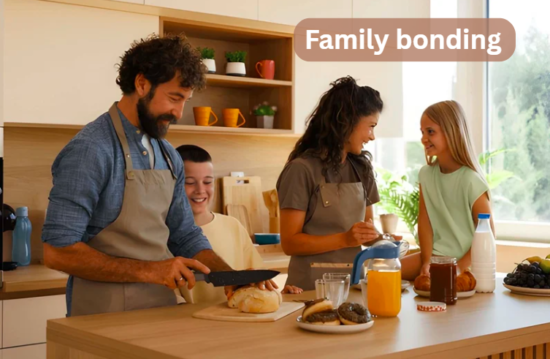
The kitchen is actually one of the easiest places for Family connection .
When people cook together, nobody is sitting still waiting to “talk.” Everyone is doing something, which somehow makes talking easier.
One person is cutting vegetables, someone is stirring something, someone else is setting the table. It’s simple teamwork without calling it teamwork.
Kids usually like being involved more than parents expect. Even small things like washing rice or mixing ingredients make them feel included.
And while all of that is happening, conversations just happen on their own. Nothing forced. Just normal talking while doing something else.
Sometimes stories come up too. Old family recipes, childhood memories, things that happened years ago.
It’s not planned emotional bonding. It’s just life happening in the same space.
And somehow, that’s what makes Family rapport stronger than anything formal.
Even when things go wrong, like burnt food or messy counters, those moments usually turn into jokes later.
This kind of interaction often reflects ideas of Attachment parenting, where closeness is built through everyday shared life.
4. Play games without making it serious

Game nights don’t need to be a big event. This also connects with Attachment parenting .
It can be board games, cards, or even simple games people make up at home. The actual game doesn’t matter much.
What matters is that everyone is doing something together and laughing a bit.
There’s usually a mix of competition, teasing, and random arguments over rules that nobody fully agrees on. That’s normal. That’s actually part of the fun.
Kids get to see parents relax. Parents get to see kids in a playful mood instead of stress or school mode.
And for a while, nobody is thinking about work or responsibilities.
That shared space creates a kind of Family bonding that doesn’t come from talking seriously. It comes from just being in the same moment without pressure.
It also naturally supports Teen communication because teens tend to open up more in relaxed environments.
5. Read or tell stories

Reading together isn’t only for small kids. It is also something often discussed on parenting.
For younger children, it’s usually bedtime stories. A calm moment before sleep, which feels safe and familiar. For older kids or teenagers, it can be reading something short together or even talking about a story, movie, or book.
Stories make it easier to talk about real feelings without directly talking about personal stuff. People talk about characters first, then slowly connect it to real life.
Sometimes a simple story opens up a conversation that wouldn’t happen directly.
And that’s kind of the point. It creates a soft way into deeper conversations.
This quiet time builds Family ties in a simple way. It does not need effort or planning, it just happens naturally.
Famousparenting tips and mom life also share how storytelling helps family members feel more close and connected over time.
6. Do small helpful things together
Helping others as a family changes the mood at home in a different way.
It doesn’t have to be something big like a major charity event. It can be small things. Helping a neighbor, donating items, or participating in a local community task.
When families do something helpful together, they move away from their usual routine for a bit. The focus shifts from “us and our problems” to something outside themselves.
That shared effort builds connection in a natural way.
Kids also learn a lot from seeing actions instead of just hearing advice.
And later, those shared experiences become part of family memory. Not because they were exciting, but because they felt meaningful.
That’s another form of Family unity that stays longer than expected.
This is also where Parental involvement plays an important role in shaping values through action.
7. Put phones away for a little while

This one is simple but honestly difficult, often talked about in famous parenting community .
Phones are everywhere. Even when people are sitting together, attention is often split.
Creating even a small phone free time during the day can change how a family interacts.
It doesn’t need strict rules. Just moments where phones are left aside so people can actually talk or just sit together without distraction. At first, it feels a bit strange. People might reach for their phones without thinking. But after a while, conversations naturally come back.
That’s when shared family time improves without adding anything new. Just removing distraction.
It also helps improve Emotional awareness because people become more aware of each other.
8. Keep small routines that repeat
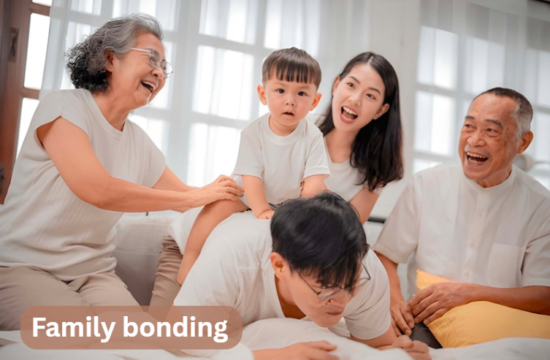
Families don’t need big traditions. Small ones are enough. A movie night every week. Pancakes on Sunday. A specific meal on birthdays. Small things like that.
These routines might not feel important in the moment, but they create something stable in the background.
Kids especially hold onto these memories later in life. They might not remember everything about childhood, but they remember routines.
Those repeated moments create comfort. A sense that things are steady.
And that steady feeling is a quiet form of Family connection that lasts for years.
9. Talk a little every day

Not big talks. Not serious conversations. Just small daily check-ins.How was your day sounds simple, but it actually opens doors when it’s asked regularly.
The important part is not rushing the conversation. Letting people speak without interrupting or fixing everything immediately.
Most people open up slowly, not all at once.These small talks build trust over time. Nothing dramatic, just steady connection.
And over the years, that becomes the foundation of strong Family bonding.
Conclusion

Family bonding isn’t something you schedule once and complete. It’s something that builds quietly in everyday life.
It comes from simple things. Sitting together. Talking a bit. Cooking, walking, laughing, even sitting in silence sometimes.
Families don’t need perfect routines. They just need moments where they actually notice each other.
Ultimately, people tend to remember those little events the most. Read more about parenting at https://momlifefamousparenting.com/