

Nobody hands you a manual when you become a parent. You work things out as you go, using what you know to make the greatest choices possible.And one of the biggest decisions you face early on is this: what kind of learning environment does my child need before school?
Some parents think preschool is optional. A nice extra, but not necessary. Others feel pressure to enroll their kids but are not sure why it matters. In actuality, early childhood education is not about spelling drills or flashcards.It is related to something far more profound.
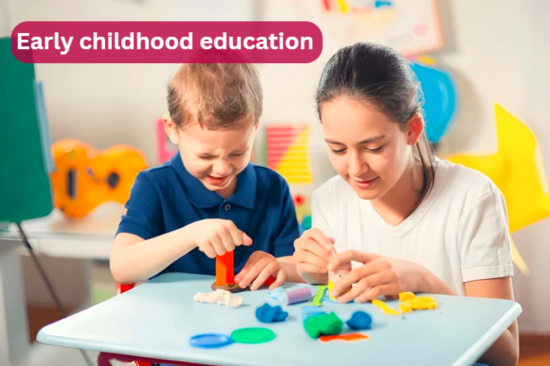
The years between birth and age five are unlike any other period of a person’s life.The brain is building itself at a pace that will never happen again. Early childhood education creates the right conditions during these years. Here are 9 ways it does exactly that.
1. Early Childhood Education Shapes How a Child’s Brain Gets Wired
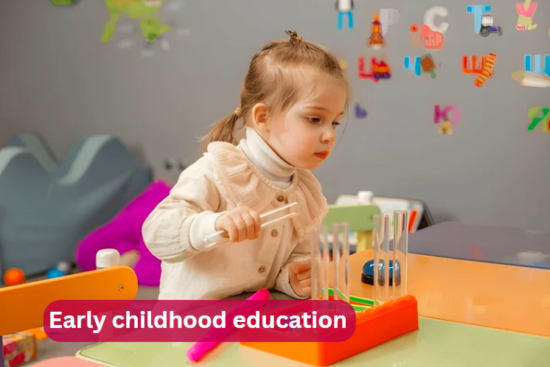
By the age of five, a child’s brain has developed to around 90% of its full potential.not yet begun. Completed.The connections formed in those years determine how a child thinks, feels, and handles challenges for the rest of their life.
Good teachers introduce problems a child can almost solve, so the brain has to stretch. They know a song about numbers is not just fun it is a memory tool. Children who go through quality early learning programs arrive at kindergarten with stronger memory, better focus, and sharper problem-solving skills than peers who did not. That gap tends to grow over time, not shrink.
2. Kids Learn to Deal With Big Feelings Before Those Feelings Deal With Them
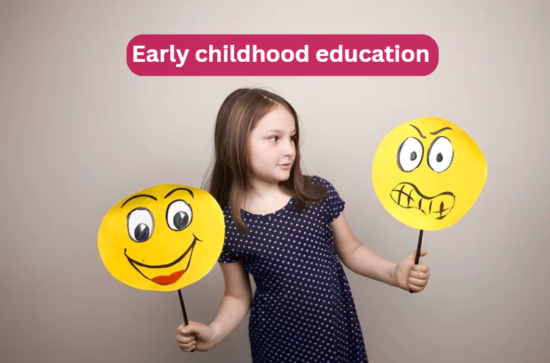
A four-year-old who cannot get a puzzle piece to fit will sometimes throw it across the room. That is not a discipline problem. That is a child who has not yet learned what to do with frustration.
When a trained educator sees a child melting down, they do not just manage the behavior. They name the feeling out loud. They stay calm. They explain things to the youngster and provide an example of how to overcome challenges.Over time those moments stack up and the child starts to internalize them. Emotional regulation predicts adult success more reliably than IQ. It starts in preschool.
This is also why family bonding gets stronger when children attend good ECE programs. When a kid comes home with language for their feelings, the whole household communicates differently.
3. Social Skills That Last a Lifetime Begin Here
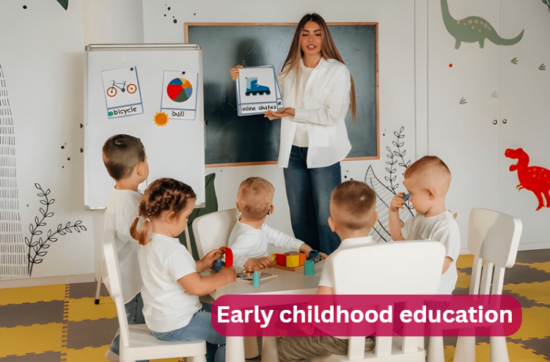
There is something that happens when you put small children together and ask them to share, take turns, and figure out disagreements. They learn how to be around people.
Many children entering kindergarten have spent most of their time at home with adults. They have never had to wait for someone else to finish talking. They have never negotiated over a toy with someone their own size. Early childhood education builds the social muscles children will use for the rest of their lives. Parents often notice the shift in toddler behavior after just a few months in a quality program. The child who used to grab toys starts asking first.
4. Early Childhood Education Can Stop a Learning Gap Before It Starts
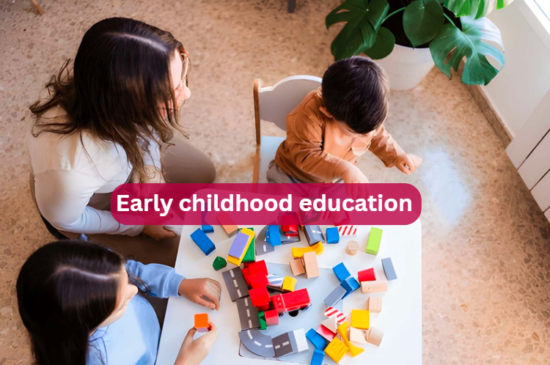
In the United States, children from wealthier families often arrive at kindergarten already knowing more words and concepts than children from lower-income homes. Not because of anything innate. Because of what they had access to. Books at home. Conversations at dinner. Trips to libraries.
Early education levels some of that out. A good preschool program gives every child exposure to vocabulary, stories, and structured thinking regardless of what they have at home. Children who had access to quality early learning graduate high school at higher rates and earn more as adults. That is a life changed before it really started.
5. Strong Language Skills That Last Begin in the Early Years
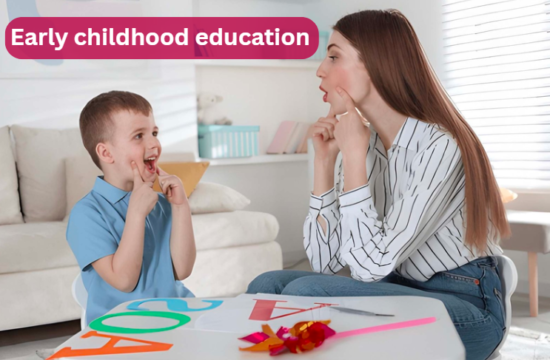
A child who is read to regularly can develop a vocabulary up to twice as large as one who is not. That gap in words becomes a gap in reading,literacy, and understanding across every subject for years to come. Parenting experts like chelsea acton famous parenting have long emphasized that talking and reading with your child from an early age is one of the simplest things a parent can do with the biggest payoff.
Early schooling puts children in language-rich environments all day. Teachers read aloud. They introduce new words on purpose. They ask open questions that push children to explain their thinking rather than just nod. For families where both parents work long hours or where English is spoken as a second language at home, this daily exposure makes a real and lasting difference.
6. Confidence Gets Built One Small Win at a Time
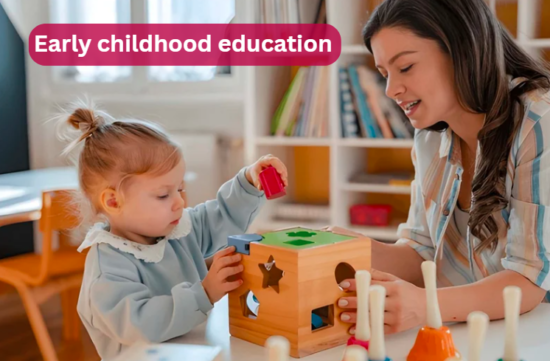
Watch a preschooler finish a puzzle they have been struggling with for ten minutes. Something changes in their face. They stand a little taller. That is a child learning they are capable.
childhood education creates those moments on purpose. Good teachers give children challenges hard enough to feel real but manageable enough to solve. The goal is not to do things for kids. It is to help them believe they can do things themselves. A child who walks into kindergarten believing they are capable asks more questions, tries harder things, and bounces back faster when something goes wrong.
7. Good Preschool Programs Give Parents Real Support Too
Raising a child is supposed to happen in a community. For many American families today, that community is hard to find. ECE programs quietly fill part of that gap.
Good programs do not just care for the child. They bring parents in. They hold workshops and share what is normal for a four-year-old and what is actually worth worrying about. Resources like mom life speak to this need directly. And discipline strategies taught through ECE parent programs help families guide behavior without the frustration and guesswork that leads to harsh reactions at home.
8. Good Learning Habits Start Earlier Than Most People Think
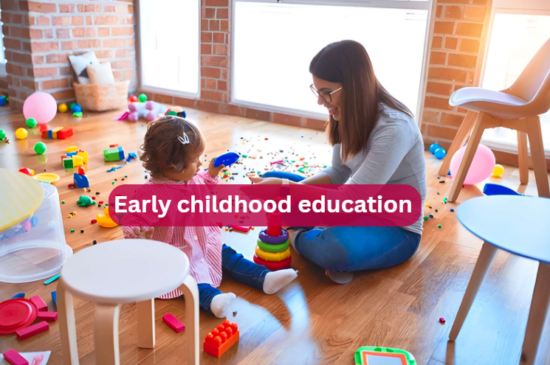
A child who has spent two years sitting in circle time, raising their hand, cleaning up after activities, and following a daily routine is not the same as a child who has not. That sounds minor. But in a kindergarten classroom of 25 kids, the difference shows up in the first week.
Early education builds the invisible infrastructure of academic life. Listening. Waiting. Finishing something before moving on. Asking for help instead of giving up. These are learned skills. And they are far easier to learn at four than at nine.
9. The Long-Term Impact on Young Lives Goes Further Than Most Parents Realize
Children who had access to quality childhood learning finish high school at higher rates, earn more as adults, and are more likely to be involved in their own children’s education one day. The effects ripple outward across families.
In a world where managing screen time management and constant change feels overwhelming, it helps to know some investments are still clear. Giving a young child access to quality early learning is one of them. The return lasts far longer than most people expect.
Final Thoughts
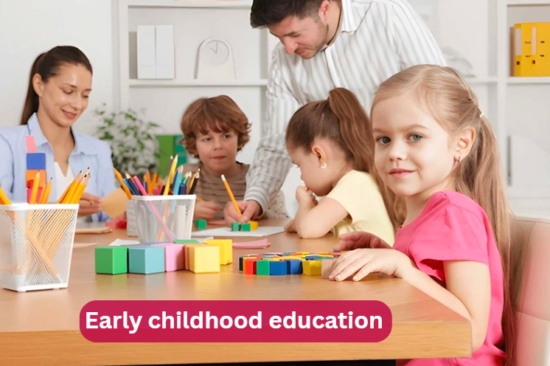
Early learning is not a privilege for families who can afford it. Every child deserves access to it. The brain only goes through those first five years once. What happens inside a good early learning environment shapes thinking, feeling, and learning for the entire life ahead. These years matter more than any others. Invest in them wisely.