

If you are raising a toddler, you already know this stage is not calm or predictable.In one instant, everything may seem perfect, and in another, it may seem entirely out of control.A child may laugh, play, and then suddenly cry loudly because you gave them the “wrong” cup or because you stopped them from doing something unsafe.It can be both perplexing and draining.
Toddler behavior is not random, even when it looks like it.Between the ages of one and three, children’s development happens quite quickly.They are learning how to walk, speak, comprehend rules, and manage their emotions.But the important part is that their emotional control is still very weak. They feel everything strongly, but they cannot manage those feelings yet.

In everyday life in the United States, parents often expect toddlers to behave in a more controlled way than they actually can. The majority of frustration stems from the discrepancy between expectations and reality. Typically, what appears to be “bad behavior” is simply a child attempting to express themselves in the only method they are familiar with.
This guide discusses seven typical toddler behavior issues that practically all parents deal with. Instead of complicated theories, the focus here is simple. What is happening, why it happens, and how you can handle it in real life without turning every day into a struggle.
1. Tantrums That Feel Out of Control
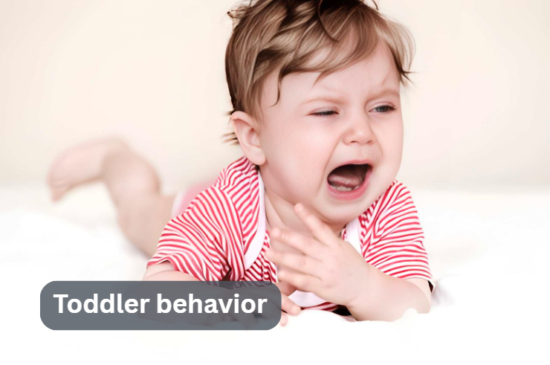
Tantrums are one of the most talked about parts of toddler behavior because they can happen anywhere and at any time. In the car, at home, in a store, or even just before bed. From an adult perspective, there is frequently no warning and no obvious explanation.
In many cases, how you respond matters more than the tantrum itself. Some parents who follow attachment parenting focus on staying close, calm, and emotionally present during these moments instead of trying to stop the emotion right away. The idea is simple. The child is not “misbehaving,” they are overwhelmed, and they need help feeling safe again.
When a toddler is in that state, reasoning does not work. What helps more is your tone, your presence, and how steady you stay while they calm down.
A toddler may cry aloud, shout, tumble to the ground, or become immobile.Sometimes it is about something small like a broken snack or not getting a toy.
What is actually happening is that their emotional system is overloaded. The feeling inside is too strong, and they do not yet have the brain development to slow it down or explain it. This is a normal stage in Child Development.
Your response has a significant impact.If you react with anger or panic, the situation usually gets worse. If you stay calm and steady, it slowly helps the child settle. You do not need long explanations during a tantrum. In fact, fewer words often work better.
A simple message like acknowledging the feeling while holding the boundary is enough. For example, you can show that you understand they are upset but still stick to the decision. Over time, this teaches the child that emotions are safe but behavior has limits.
Most parents notice that tantrums reduce when children start feeling heard and emotionally safe, not when they are punished for crying.
2. Constantly Saying No
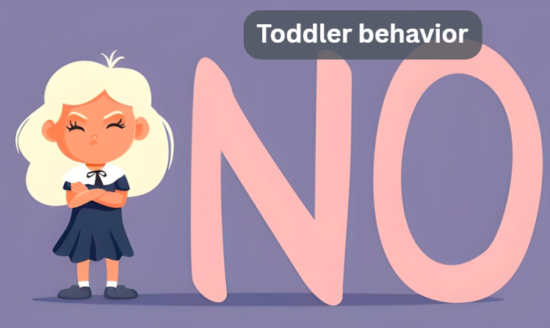
At some point, many parents feel like their toddler’s favorite word becomes no. No to food, no to clothes, no to leaving the park, no even when they actually want something.
This stage can feel even more intense when routines are not consistent between parents. In Co-parenting children sometimes pick up different responses from each caregiver, which can make them test limits more often. When both parents try to stay on the same page and respond in a similar way, it becomes easier for the child to understand what is expected.
This is one of the most common toddler behavior stages and it is closely linked to growing independence. The child is starting to realize they have their own thoughts and choices. Saying no becomes a way of practicing control.
It is not always logical. Sometimes they say no and then get upset when you agree with them. This is normal.
The better way to handle this is to avoid direct power struggles. Instead of asking open ended questions that lead to refusal, give controlled choices. For example, instead of asking if they want to wear a jacket, offer two jackets. This keeps control within safe limits.
This stage also connects to emotional connection styles like Attachment parenting, where the focus is on maintaining connection while still setting boundaries.
Saying no is not disrespect. It is practice for independence.
3. Hitting, Biting, and Physical Outbursts
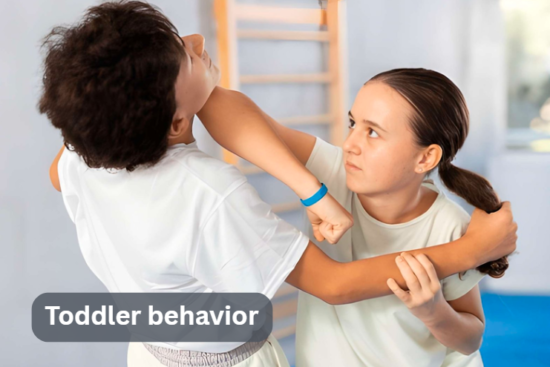
Aggressive actions like hitting or biting are honestly one of the hardest things for parents to deal with. It can happen out of nowhere during play, when the child gets frustrated, or even when they get too excited and don’t know how to handle it.
In that moment, most kids are not thinking “I want to hurt someone.” It’s usually just overload. Too many feelings and no idea what to do with them.
You don’t really need a big reaction. That usually makes things worse anyway. Simple discipline strategies work better here. You stop it right away, make it clear it’s not okay, and keep it short. No lectures, no long talking. They won’t process it in that state.
Later, when things are calm, that’s when they actually start to learn what to do instead.
In most cases, toddlers are not trying to hurt others on purpose. They are reacting because they do not have the language skills to express strong feelings. Their body reacts before their mind can slow down.
The response in these moments should be immediate but controlled. Stop the behavior calmly. Use a clear and simple message that the action is not okay. There is no need for long explanations in the moment because the child is not in a learning state during emotional overload.
Later, when things are calm, that is the time to teach alternatives. Show them how to express frustration in safer ways like using words, asking for help, or stepping away.
Many early parenting approaches focus on structured teaching through Discipline strategies, which is really about consistency and guidance rather than punishment.
With time, children learn that physical reactions are not needed when words are available.
4. Not Listening or Ignoring Instructions
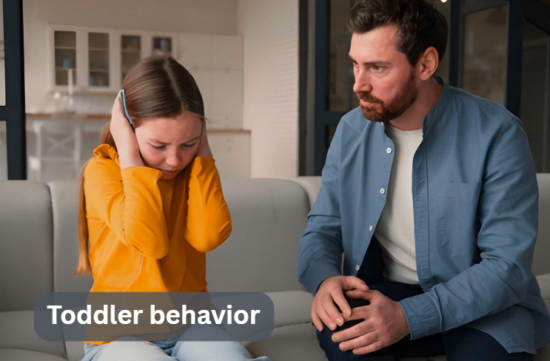
Repeating the same command multiple times without receiving a reaction is one of the most annoying situations for parents. It can feel like the child is ignoring you completely, but most of the time it is just normal Child development at this age, where attention is short and they get fully absorbed in whatever they are doing.
In reality, this is often about attention and processing speed. Toddlers have short attention spans. They can be deeply focused on one thing and completely unaware of everything else around them.
This is a normal part of toddler behavior and not intentional disobedience.
Reducing distance and distraction is the greatest approach to make this better.Get closer, make eye contact, and use short sentences. Instead of giving multiple instructions at once, give one clear step.
When they respond, even slightly, it helps to acknowledge it. Positive feedback builds stronger habits over time.
Listening is not an instant skill. It develops slowly with repetition and patience.
5. Separation Anxiety and Clinginess
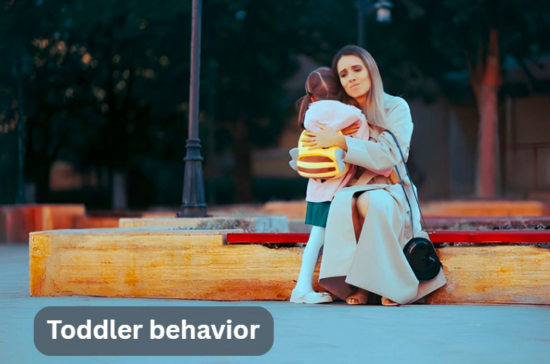
Many toddlers experience a phase in which they are reluctant to leave their parents’ side. Even simple things like going to another room or saying goodbye at daycare can lead to tears.
This is called separation anxiety, and it is a normal stage in toddler behavior. On chelsea famousparenting ,parents often describe it the same way, that it feels really heavy at first, but over time the child slowly gets more comfortable as they start to trust that you are not actually gone forever.
Children are still learning at this age that individuals exist even when they are hidden from view. That concept is not fully developed yet, so separation feels unsafe.
Consistency is the best strategy. Saying farewell should be brief and consistent. Long emotional goodbyes often increase anxiety instead of reducing it.
Parents often share similar experiences in communities where they realize this phase is temporary and improves with time.
6.Bedtime and Testing Limits
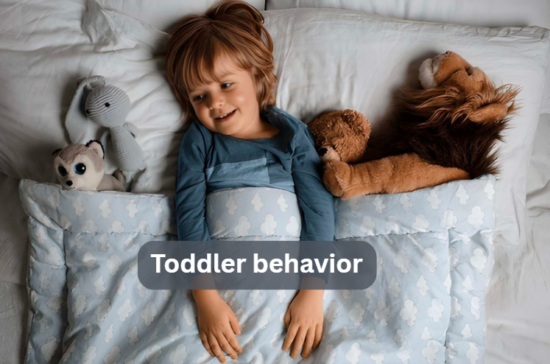
Bedtime is usually where things start to fall apart for many parents.Every night, you follow the same procedure. The same time. The same procedures. But your toddler still acts like sleep is a surprise every single time. Suddenly they are thirsty. Then they need another hug. Then they remember something “very important” to say right when you are trying to leave the room.
It is not really about sleep itself. Most toddlers just struggle to slow down. Their body is still full of energy, and their mind does not switch off easily. If the day was busy or overstimulating, bedtime becomes even harder.
Over time, what helps is not anything complicated. It is repetition. Doing the same simple things every night without changing too much. Children may not understand it logically, but they start to feel it. They start to expect it.
Also, the more calm the evening is, the easier things go. If there is too much noise, screens, or rough play before bed, it usually takes longer for them to settle.
And something most parents notice later is simple. When sleep gets better, behavior during the day gets better too. A tired child reacts faster, cries easier, and gets frustrated over small things.
7. Testing Boundaries Again and Again
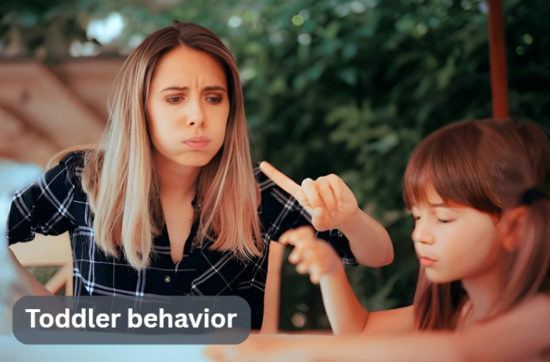
Toddlers love testing limits. They keep trying even after you think they’ve learnt something.
You tell them not to throw something. They throw it again. You stop them from doing something unsafe. A minute later they try again.They may not seem to be paying attention at all.
But most of the time, it is not about being difficult. It is more like experimenting. They are trying to see what happens every time they do something. They are figuring out how the world responds.
At this age, rules are not fully “understood.” They are being learned through repetition. That is why the same behavior shows up again and again.
What makes things harder is when responses change. If one day something is not allowed and the next day it is ignored, the child keeps testing because the limit is not clear to them.
When both parents respond in a similar way, things become easier. The child starts to understand the pattern instead of guessing it every time.
Conclusion
Toddler behavior can really wear you down. There are days when nothing feels easy. The crying, the saying no, the repeating the same thing again and again. It can make even simple routines feel stressful.
But most of it is not about misbehavior. It is just a child who is still learning how to handle feelings, words, and limits.
There is no perfect way to deal with every situation. Some days you will handle things well, other days you will feel like nothing worked.
Consistency over time is what really counts. Not significant responses. Not flawless parenting. Just modest, consistent answers.
Stay calm when you can. Keep things simple. Repeat what is important.
And gradually, without your first awareness, things begin to become simpler. Read more about parenting at https://momlifefamousparenting.com/