

When my first baby came home from the hospital, I didn’t know what to expect. I had read some books, talked to friends, and watched videos, but nothing prepared me for how fast and how deeply children change. Child development isn’t a checklist you complete. It is more like watching a tiny seed grow into a strong plant sometimes steady, sometimes uneven, and always surprising.
One morning my son sat up on his own, and I didn’t even notice until mid‑day. Another time my daughter said her first word when I wasn’t recording it. These moments taught me that child development is not just about hitting milestones on time. It’s about understanding how kids think, explore, and connect with the world.
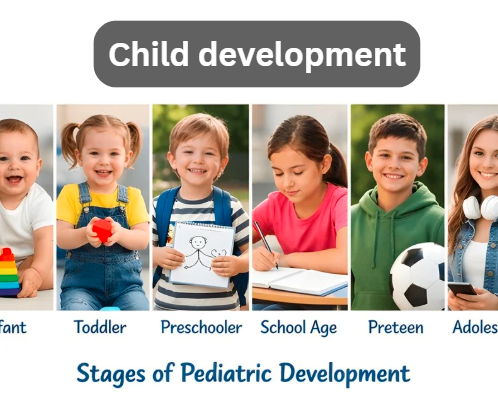
In this post I want to walk you through the seven stages of child development from newborn to teenager in a way that feels real, not textbook. I’ll share what I learned from daily life, what helped our family, and what you might notice in your own home. If you are raising children in the United States or anywhere else, these stages give you a sense of how development unfolds over time and how simple moments have big impact.
Stage One Newborn: First Weeks of Life
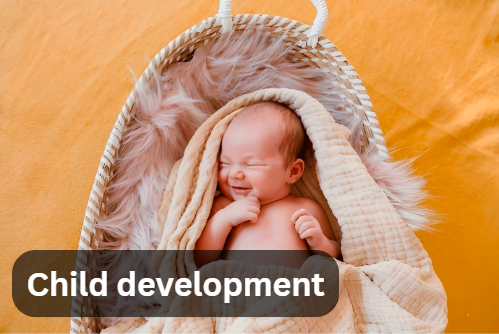
Bringing a newborn home is both overwhelming and beautiful. Those first weeks felt foggy for me. I remember feeding on a schedule that made no sense, changing diapers in the middle of the night, and worrying over every tiny cry.
At one point, I found myself reading the fp guideline, and it honestly helped me slow down. It reminded me that not everything has to be figured out immediately, and that learning your baby takes time.
But even in that haze, I could see child development happening in the smallest ways little reactions, quiet moments, tiny changes that somehow made all the exhaustion feel worth it.
My baby didn’t talk, of course, but he responded to my voice. Even when fussing, he’d quiet down a little if I sang softly or hummed his favorite lullaby. In the first few weeks I learned how powerful comfort and consistency are. Babies at this stage are building trust with you. When you pick them up, soothe them, and meet their needs, they learn that the world is safe.
Newborns don’t follow predictable patterns yet. One night my daughter slept for three hours straight, the next she woke every forty minutes. I learned to celebrate small wins a calm feeding, a peaceful cuddle because these moments are the foundation of emotional growth. In these early weeks,early growth is quiet, but it matters deeply.
Stage Two Infancy: Three to Twelve Months
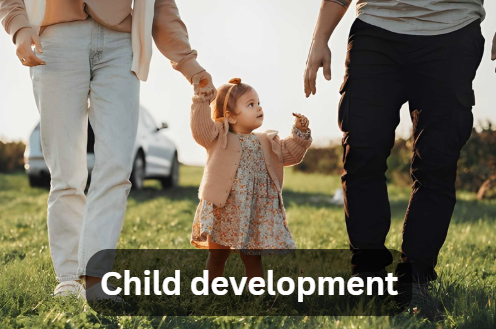
Around three months, things started to shift. One day he just rolled onto his side and I remember thinking, wait. when did you learn that? A few weeks later, he was trying to sit up with a bit of support.
It didn’t feel like a big deal in the moment just small, random changes but looking back, each one meant more than I realized. You could almost see his confidence growing with every little thing he figured out.
I once came across something about how these tiny milestones quietly build on each other, and that stuck with me. It didn’t feel like child development in a big, obvious way it just felt like watching him slowly become more aware, more curious, more himself.
Infancy is a stage where children explore everything they can reach. My daughter began putting everything in her mouth toys, blankets, my sleeve. It was messy, loud, and sometimes a little scary, but that exploration is part of how they learn.
I also noticed language start to take shape. At first it was coos and giggles, but by seven months she jabbered and tried to mimic sounds I made. I began talking to her constantly narrating what I was doing, what I was cooking, even what the dog was doing outside. It may have sounded silly, but those moments helped her brain connect sounds with meaning.
Growth process in this infancy stage is like laying the groundwork for everything that comes next. It is building strength, curiosity, and early communication. Playtime became our routine simple games like peekaboo, soft blocks, and gentle bouncing helped her learn cause and effect without pressure.
Stage Three Toddlers: One to Three Years
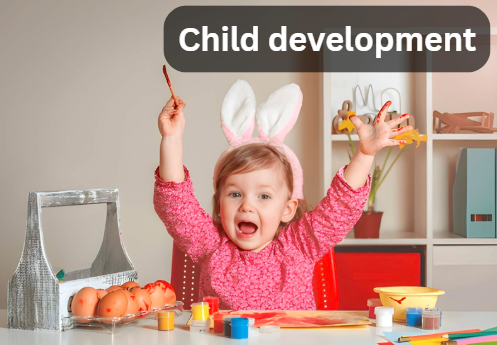
If infancy feels fast, toddlerhood feels like a sprint. My kids suddenly wanted to walk, run, climb, and talk. They wanted independence long before they had the skills to manage it safely.
During this stage, development really looks like a lot of trial and error. My son said “no” to almost everything it was easily his favorite word for a while. He wanted to do things his own way, like putting on his shoes himself. even if they were backward or on the wrong feet. And if I tried to help? Instant protest.
It could be frustrating, not going to lie. But I started to see it differently after reading a bit about chelsea acton parenting that this kind of behavior isn’t just defiance, it’s part of them learning independence.
They’re not trying to be difficult. They’re figuring out who they are, what they can do on their own, and where they fit. It’s messy, a little exhausting, but also kind of important in ways you don’t fully appreciate at the time.
Tantrums were common. Some days I thought it was just willful behavior, but over time I realized many outbursts happened when he was tired, overwhelmed, or hungry. Simple routines for meals and naps helped more than any discipline rule I tried.
Language really exploded in this period. One day she could say only a few words a few weeks later she was forming short sentences. It was messy, adorable, and at times exhausting. The deeper lesson from this stage is patience and noticing progress even on slow days.
Stage Four Early Childhood: Three to Six Years
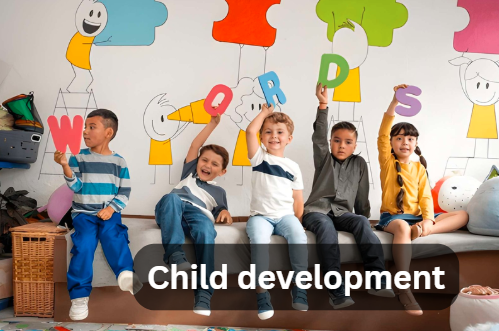
Once kids reach preschool age, their personalities open up in new ways. My children suddenly had friends, preferences, and opinions about everything from clothes to snacks. They started asking questions I couldn’t always answer.
In this period of cognitive growth imagination grows strongly. My daughter would build elaborate stories with blocks and dolls. My son liked sorting toys by color and size before playing. Play became more purposeful. They weren’t just exploring with hands; they were exploring with ideas.
School readiness also became a focus. Learning letters, numbers, and social skills like sharing and cooperation were part of our everyday life. I noticed that even simple routines like reading a story at bedtime helped them think in more complex ways and express emotions they couldn’t before.
Emotional growth is big in this stage. Kids start understanding their own feelings and the feelings of others. Comforting a sad friend or saying sorry when upset became teaching moments. Those moments might feel small in the moment, but they shape empathy and self‑control.
Stage Five Middle Childhood: Six to Nine Years
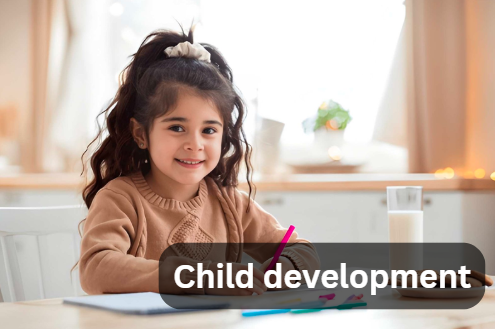
Once school begins,learning process shifts in visible ways. Homework, structured learning, and social interactions take up more of their day. My kids started recognizing routines and became more dependent on schedules.
At this stage reading becomes stronger, and school becomes a bigger part of life. My son would read signs and labels everywhere we went. He took pride in reading aloud at dinner, even when his words weren’t perfect yet.
Friendships also matter more. A day could be made or broken by who sat next to them at lunch or who got picked first in a game. Kids learn a lot from simply being around others sharing, taking turns, and figuring out how to deal with disagreements without giving up.
As a parent, I realized I needed to listen more and try to fix less. When my child talks about a fight with a friend or a tricky homework problem, what they really want is to be heard, not for me to solve it. This middle‑childhood stage is where confidence starts to grow not just from getting things right, but from working through challenges and seeing themselves handle it.
Stage Six Late Childhood: Nine to Twelve Years
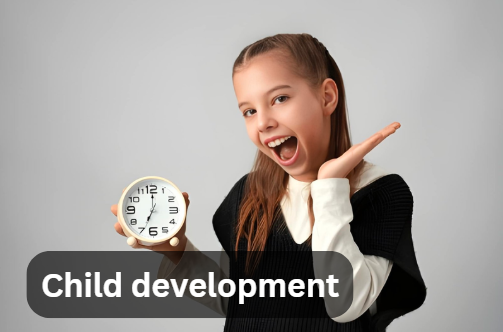
Late childhood brought a mix of independence and sensitivity. My kids started caring more about privacy and what their peers think. Developmental growth at this stage isn’t just physical or cognitive it’s emotional and social too.
Schoolwork started getting more serious around this time. There were more tests, more projects, and group work that didn’t always go smoothly. Some days they’d come home excited about what they learned, and other days it was tears over a grade that wasn’t “perfect.”
I remember thinking how much pressure they were already putting on themselves. Somewhere along the way, I came across something that stayed with me it’s not really about getting everything right, it’s about showing up and trying.
So that became my focus with them too. Not the score, not the comparison just the effort. And slowly, that seemed to take a bit of the weight off their shoulders.
At this stage children begin forming identity outside the home. They try new styles, interests, and hobbies. One daughter became obsessed with art. One son signed up for soccer, even though he rarely scored goals. What mattered was participation and joy, not performance.
Parents at this stage support growth by encouraging curiosity and resilience. Showing them how to manage disappointment, how to organize tasks, and how to treat others kindly matters in real, everyday ways.
Stage Seven Adolescence: Twelve to Eighteen Years
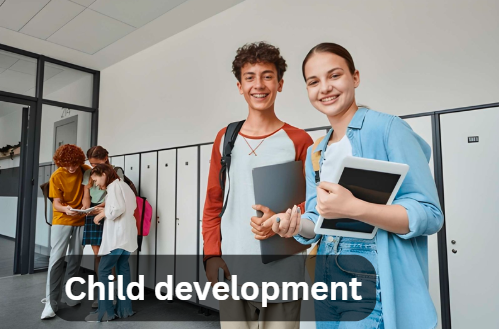
Teen years are a whole new territory. My children became more thoughtful, more argumentative, and more independent all at the same time. Development in adolescence is about identity and responsibility. It’s a weird balance, honestly giving them space but still making sure they understand consequences. I didn’t always get it right.
The conversations changed without me even noticing at first. One day it was about homework, and then suddenly we were talking about their future, their friends, things that were stressing them out. Sometimes I’d try to guide them, sometimes I had to step in, and other times I just listened because that’s all they really needed.
Teenage years can be a lot. Moods change quickly, friends start to matter more, and they’re trying to figure out who they even are. It can feel messy. But there’s also something really good in that. You start to see them think for themselves, question things, and slowly become their own person.
They begin to connect what they like with what they might want later in life. They form their own opinions, set their own goals. even if they’re still unsure half the time.
I’ve learned that supporting them isn’t about having all the answers. It’s more about being there, listening without jumping in too fast, and trusting that they’ll figure things out even if they make mistakes along the way.
Conclusion
Looking back, child development is not a straight path. There are bumps, turns, leaps forward, and moments that feel like nothing happened at all. What I learned as a parent is that progress is not always visible day‑to‑day, but it becomes clear over months and years.
If you are reading this while juggling naps, homework, or teen emotions, know that you are not alone. Every stage of childhood growth teaches both the child and the parent something new. Every challenge and every small win plays a role in growth.
For practical, real-life parenting guidance not just theory I sometimes look to resources , where advice feels relatable and easy to apply. You can adapt what fits your life, discard what doesn’t, and create a rhythm that works for your family.
Children grow in stages, but love evolves every single day. Read more about parenting at https://momlifefamousparenting.com/