

Teen communication today is not what most adults grew up with. In the United States, and honestly almost everywhere now, teenagers are not really sitting and talking for long stretches the way people used to. Most of the communication happens through phones. Texting, voice notes, quick replies, reactions on social media, all of that has basically replaced long face to face conversations in daily life.
The interesting part is that this is not something teens are thinking about deeply. It is just normal for them. Communication is always happening in the background. A chat might start in the morning, pause during school, continue during breaks, and pick up again at night. There is no fixed pattern anymore.
Parents often notice this and feel a kind of distance. Not because teens are silent, but because their “talking” is happening somewhere else. Teachers notice it too in classrooms where students are mentally half in the room and half on their phones.
This guide breaks down seven simple but real things about teen communication today. Nothing complicated. Just how it actually works in everyday life.
1. Most teen communication happens through phones now
If you look at how teens interact, the phone is basically the center of it all. It is the main tool for everything. Friends, school group chats, casual talking, planning, even emotional conversations, all of it happens there. In some ways, the attachment to phones can even remind people of early toddler behavior , where attention is fully locked onto one thing and shifting focus feels difficult. Not in a negative or insulting way, but more in how strong the habit becomes when something feels constant and engaging. Over time, this changes how teens split attention between real life and digital space, often without even realizing it.
But it is not like old style chatting where someone sits and talks for a long time. It is broken into small pieces. A message here, a reply after an hour, a quick emoji, then silence again.
This creates a different rhythm. Teens get used to fast responses. When someone replies quickly, it feels normal. When someone takes time, it can feel like something is wrong even if nothing is.
Over time, this changes how patience works. Real conversations in person start feeling slower because there is no instant feedback like there is on a phone. In face to face talk, you have to wait, listen, respond fully. That feels different now.
Still, phones make communication easier in one way. No one feels disconnected. Even if friends are far away or busy, they are still “around” through messages.
2. Social media is part of everyday communication
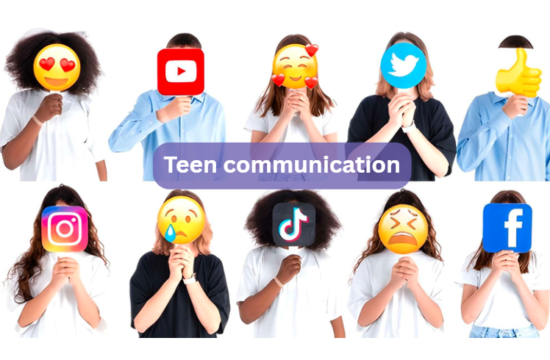
For teens, social media isn’t just something they scroll through. It’s part of how they communicate every day. A post isn’t just a post. A story isn’t just content. It’s how they say things without really saying them out loud.
And honestly, a lot of how they communicate like this connects back to early home life too. Things like Attachment parenting can quietly shape how comfortable someone feels showing emotions or sharing what they’re thinking. It doesn’t control anything, but it can influence how open or closed a teen feels when they express themselves, especially online where it feels easier to hide behind a screen.
Sometimes a photo means “this is my mood.” Sometimes a short video means “this is what I’m doing right now.” Even small reactions like likes or emojis are part of communication.
But there is also a hidden pressure. Teens often think about how something will be received before posting it. Not because they are fake, but because they know other people are watching.
This changes communication a bit. Instead of just expressing something freely, there is a layer of awareness about how it will look.
At the same time, social media also gives creativity. Teens can express humor, feelings, or thoughts in ways that feel easier than speaking directly. Some people open up more online than in real life.
But one issue stays the same. Online communication does not always show full emotion. A post can look simple, but the feeling behind it might be much deeper.
3. Friends shape how teens communicate more than anything else

Teen communication is heavily influenced by friends. Not in a forced way, but naturally. The way teens talk, the words they use, even how they respond, often comes from their friend group.
If friends reply fast, you reply fast. If they joke a certain way, you start using similar humor. It is just how social behavior works at this age. A lot of it also connects to what they experience at home. When there is calm support and open conversation in the background, like in Positive parenting , teens often feel a bit more steady in how they talk and react with others, even if they don’t notice it directly.
Most teens also adjust slightly depending on the group they are with. Not because they are fake, but because they want to fit in and avoid awkwardness.
Sometimes teens just don’t say what they really think. If their opinion feels different from the group, they keep it to themselves. It is not always a big decision, it just happens in the moment so things don’t get awkward.
But when friendships feel safe, it changes. Teens talk more freely. They don’t sit there overthinking every message or worrying how it will sound. It just comes out more naturally.
So peer influence really goes both ways. It can make communication easier, or it can quietly hold someone back depending on the kind of people around them.
4. Communication at home feels different now

Family conversations have changed a lot. Many teens are physically at home but mentally still engaged with their phone or online world.
This does not mean they do not care about family. It just means attention is divided. A conversation might start, but a notification can interrupt it, or the mind shifts back to something online. In moments like this, Emotional intelligence matters a lot, because being able to notice feelings, pause, and actually understand what someone else is saying can slowly bring more real connection back into the conversation.
There are moments when parents feel excluded from their child’s environment. Teens occasionally believe that their parents don’t really get what they’re going through.
This creates distance without anyone really trying to create it.
But when families slow things down, communication improves.Long, serious conversations are not necessary. Even small conversations during daily routines matter more than people realize.
The key is not forcing communication but making space for it naturally.
5. Emotions are harder to express clearly
One thing that is often overlooked is how teens express emotions today. A lot of feelings are not said directly anymore.
Instead, they come out as short messages, emojis, or sometimes just silence.
The problem is that digital communication removes tone. You cannot hear how something is said. You cannot see facial expression. So even simple messages can be misunderstood.
Something meant casually can feel distant. Something short can feel cold.
Many teenagers have strong emotions, but they don’t always know how to express them clearly. So they keep it short or avoid explaining fully.
This is not laziness. It is just how communication habits have changed over time.
6. Technology makes communication easier but also messy
There is no doubt communication is easier now. You can talk to anyone anytime. Distance doesn’t really matter anymore.
But it also brings new problems too.Messages get misunderstood really easily.People are not totally present in the conversation because they respond while engaging in other activities. Everything gets split into small pieces instead of one natural flow. You also see a lot of parents talking about this in places like famousparenting , just sharing how everyday chats at home don’t feel as simple as they used to.
There is also the issue of too much screen time. When most communication happens through devices, real life conversations can feel a bit uncomfortable or unfamiliar for some teens.
Cyberbullying is another real issue. Online words can feel heavier because they stay longer and spread faster.
So technology helps a lot, but it also makes communication more complicated in ways people did not expect.
7. Balance is what actually improves communication
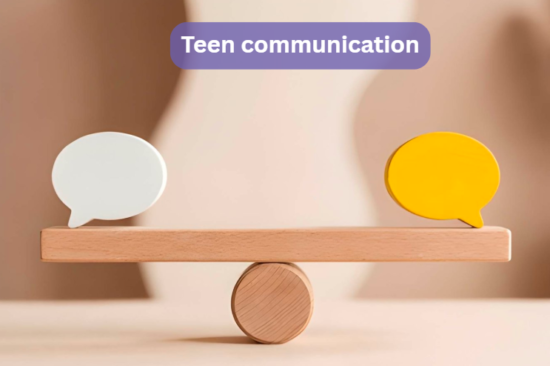
Teen communication is not something that needs to be fixed. It’s something that requires equilibrium.
Social media and phones are here to stay. They are now a part of life. However, genuine communication is still as important.
A lot of parents also talk about this in places like parenting guideline, basically just trying to figure out how to guide teens without overreacting, and how to keep some real conversation alive at home without turning it into a constant battle.
Talking face to face helps with understanding tone and emotion. Listening without distractions builds trust. Taking time instead of rushing responses makes conversations feel more real.
When both online and offline communication exist together in a healthy way, things become smoother.
It is not about choosing one side. It is about not losing the human part of communication in the middle of all the digital noise.
Final Thought
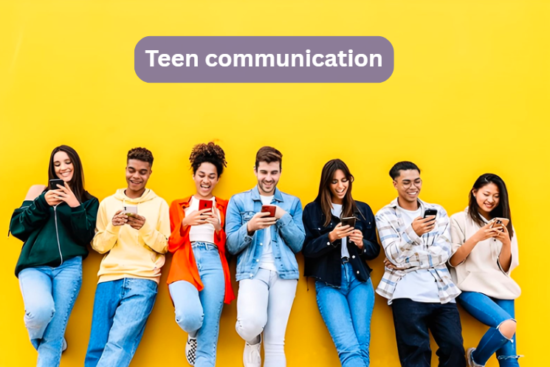
Teen communication today is fast, scattered, and always active in some form. It does not always look like traditional conversation, but it is still communication.
Sometimes it brings people closer. Sometimes it creates distance without anyone noticing it immediately.
The important thing is not to judge it as right or wrong. It is just different from before.
And when there is patience, listening, and a bit more understanding from both sides, communication becomes easier again. Not perfect, just more real. Read more about parenting at https://momlifefamousparenting.com/