

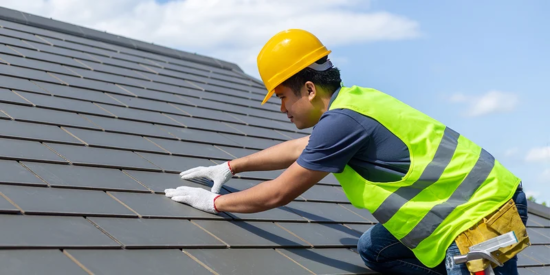
Many homeowners don’t think about their roof until a leak appears or shingles start falling into the yard. Unfortunately, waiting until there’s obvious damage often means repairs become more expensive. Regular roof inspections are one of the best ways to identify small issues before they turn into major problems.
Whether your roof is five years old or twenty-five years old, routine inspections can extend its lifespan, improve your home’s protection, and help you avoid unexpected repair bills.
Why Roof Inspections Matter
Your roof protects everything inside your home from rain, snow, wind, sunlight, and extreme temperatures. Every season exposes roofing materials to weather that slowly causes wear and tear.
Professional inspections allow roofing experts to identify developing issues before they become emergencies.
An inspection may uncover:
- Loose shingles
- Cracked flashing
- Nail pops
- Damaged vents
- Small roof leaks
- Gutter problems
- Early signs of structural movement
Fixing these issues early is usually much less expensive than replacing damaged ceilings, insulation, or framing later.
Damage Isn’t Always Visible
Many roofing problems begin underneath the shingles where homeowners can’t easily see them.
A roof may appear perfectly fine from the ground while hidden issues continue to worsen beneath the surface.
Common hidden problems include:
- Moisture trapped beneath shingles
- Soft roof decking
- Worn underlayment
- Small flashing failures
- Ventilation problems
Routine inspections help uncover these issues before they spread.
Storm Damage Can Go Undetected
After a strong storm, homeowners often assume their roof survived because no shingles are lying on the ground.
However, hail and high winds can weaken shingles without immediately removing them.
Storm inspections often reveal:
- Lifted shingles
- Broken seal strips
- Hail bruising
- Granule loss
- Bent flashing
- Wind damage around roof edges
Identifying this damage quickly can prevent leaks during future storms.
Roof Inspections Improve Roof Life
A properly maintained roof often lasts significantly longer than one that’s ignored.
Routine inspections allow contractors to:
- Replace damaged shingles
- Reseal flashing
- Tighten exposed fasteners
- Repair ventilation problems
- Clear roof debris
- Identify drainage issues
Small repairs performed at the right time can add years to the life of a roofing system.
Check Your Attic Too
Many roofing issues first appear inside the attic.
During an inspection, professionals often look for:
- Water stains
- Mold growth
- Wet insulation
- Frost buildup
- Poor ventilation
- Daylight entering through the roof deck
These warning signs can reveal problems before they become visible inside your living space.
How Often Should a Roof Be Inspected?
Most roofing professionals recommend inspections:
- Once every year
- After severe windstorms
- After hailstorms
- Following heavy snowfall
- Before buying or selling a home
- Before installing solar panels
Regular inspections provide valuable information about the condition of your roof and help homeowners plan for future maintenance.
Signs You Should Schedule an Inspection Immediately
Don’t wait for a leak if you notice:
- Curling shingles
- Missing shingles
- Water stains on ceilings
- Sagging roof areas
- Granules in gutters
- Loose flashing
- Higher energy bills
These symptoms often indicate underlying roofing issues that should be addressed promptly.
When Repairs No Longer Make Sense
As roofs age, repair costs can begin adding up. If your roof has experienced repeated storm damage, widespread deterioration, or recurring leaks, investing in another repair may only provide a temporary solution.
If you’re comparing repair costs with a long-term investment, take a closer look at what a complete roof replacement can offer. A new roofing system can improve your home’s protection, energy efficiency, and overall value while reducing future maintenance expenses.
Choosing an Experienced Roofing Contractor
Not every roof problem is obvious, which is why experience matters.
A qualified roofing contractor should provide:
- A detailed inspection
- Photos of damaged areas
- Honest recommendations
- Clear repair options
- Written estimates
- Answers to your questions
Working with an experienced professional helps ensure problems are identified correctly the first time.
Frequently Asked Questions
Are roof inspections worth it?
Yes. Regular inspections often identify minor issues before they become expensive repairs, saving homeowners money over time.
How long does a roof inspection take?
Most residential roof inspections take between 30 minutes and one hour, depending on the size and complexity of the roof.
Should I inspect my roof after every storm?
It’s a good idea to inspect your property from the ground after severe weather and schedule a professional inspection if you suspect damage.
Can a roof inspection help with insurance claims?
Yes. A documented inspection can provide valuable information when filing an insurance claim for storm-related roof damage.
Final Thoughts
Regular roof inspections are one of the smartest investments homeowners can make. By identifying problems early, maintaining roofing materials, and addressing small issues before they become major repairs, you can protect your home and maximize the lifespan of your roofing system. A proactive approach today can help you avoid unexpected expenses and keep your home safe through every season.