

Parental guidance is not a new idea, but it feels more important now than it used to. Life in the United States has changed a lot in a short time. Kids are growing up with phones in their hands, constant internet access, and more outside influence than any generation before them.
That changes how they think, how they behave, and how they deal with pressure. It also makes parenting harder. You cannot watch everything. You cannot control everything. But your role still matters more than anything else in their life.

Parental guidance is not about strict rules or being perfect. It is about being there. It is about paying attention, setting limits, and showing your child how to handle real life.
This guide breaks down ten simple reasons why parental guidance still matters. Not in theory, but in everyday life. The kind of things parents deal with at home, after school, and in those small moments that actually shape a child.
1.Parental guidance helps kids feel steady inside
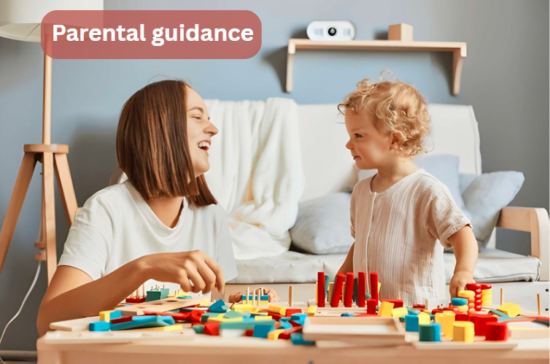
Kids do not always say what they feel. But they show it. You see it in how they react, how they talk, or how quiet they become.
Parental support gives them a sense of stability. When a parent listens without rushing or judging, the child feels safe. That feeling stays with them.
In many homes across the United States, parents are busy. Work takes time. Life gets full. Still, even a few minutes of real attention can change how a child feels.
This is where Teen communication matters. If a child knows they will be heard, they are more likely to speak up instead of shutting down.
Proper guidance here is not complicated. Sit with them. Ask simple questions. Let them answer in their own way. That is often enough.
2.Parental guidance shapes behavior early on
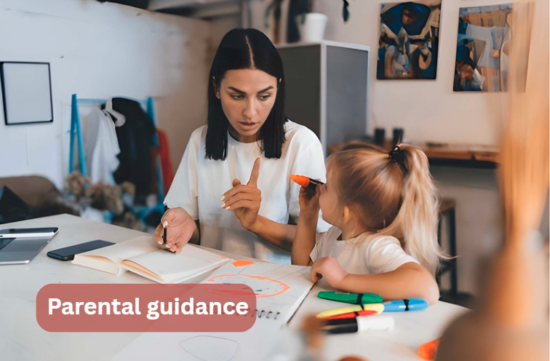
Young kids test everything. They push limits just to see what happens. That is normal.
What matters is how parents respond. This is where Toddler behavior starts to take shape. If a child learns early that actions have clear results, they carry that understanding forward.
It does not require harsh rules. It requires steady ones. If something is not allowed today, it should not be allowed tomorrow either.
Kids notice patterns quickly. When rules stay the same, they adjust. When rules keep changing, they get confused.
Consistent Parental care in early years sets the tone. Not just for behavior, but for how children understand structure in life.
3.It teaches values in a real way
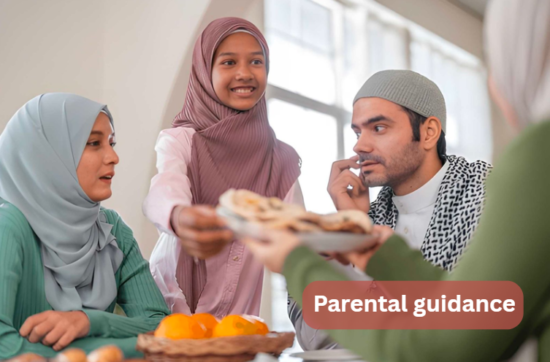
Children learn more from what parents do than what they say. You can tell a child to be respectful, but they will copy how you treat others.
Proper parental influence works best when it is lived, not explained.
This connects with Positive parenting. It focuses on guiding instead of reacting. Instead of only correcting mistakes, it shows what good behavior looks like.
In the United States, families come from different backgrounds. Values may look a bit different from one home to another. Still, things like honesty and respect show up in every culture.
Kids pick these things up slowly. Through daily life. Through small moments. That is how values stick.
4.It keeps school from becoming a struggle

School is a big part of a child’s life, but it is not always easy for them. Some kids fall behind. Some lose interest. Some just feel overwhelmed.
consistent guidance makes a difference here.
You do not have to sit for hours doing homework with them. Just showing interest matters. Asking how their day went. Knowing what they are learning.
In the United States, studies often show that kids do better when parents stay involved in simple ways.
It is not about pressure. Too much pressure can backfire. It is about support.
When a child feels that someone cares about their effort, they usually try harder.
5.It makes communication easier over time
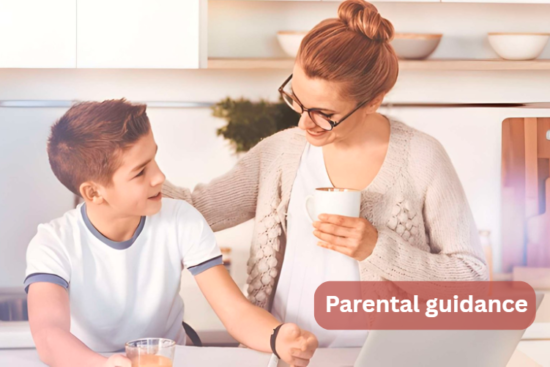
Good communication does not just appear. It builds slowly at home. Kids who grow up talking openly with parents usually find it easier to speak up later in life, whether it is school, friends, or even work.
Co-parenting can make a big difference here. If both parents are consistent and keep things simple for the child, life feels more stable for them. They don’t feel like they have to pick sides or adjust what they say depending on which parent they are with.
But if communication between parents is messy or always changing, kids notice that too. They may start holding things back because they are not sure how it will be taken on the other side.
What helps most is keeping things respectful in front of the child and not turning them into the middle of adult issues. When that happens, children usually feel more relaxed and slowly start opening up again.
Active Parental effort helps create that habit.
If every talk turns into a lecture, children stop sharing. If conversations stay calm, they keep opening up.
Life in the United States is busy. Families do not always sit together for long talks. Still, even short conversations matter.
A few honest minutes can do more than long speeches.
6.It helps kids deal with outside pressure
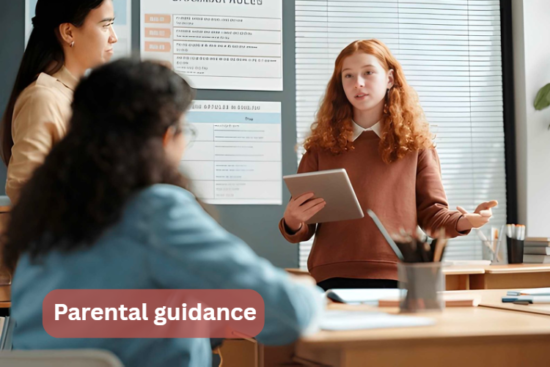
Kids are influenced by more than just family. Friends, trends, and everything they see online all mix together in their heads. Some of it is fine, but a lot of it can easily pull them in the wrong direction. Peer pressure is a big one. A lot of kids don’t even want to do certain things, they just do it because they don’t want to feel left out or different.
Positive parenting helps in moments like this. It is not about shouting or giving long lectures. Most kids actually stop listening when that happens. What works better is staying calm and talking like a normal person. Asking them what happened instead of assuming the worst.
When parents explain things in a simple way, kids are more likely to open up instead of hiding stuff. And when they feel they won’t be judged immediately, they start sharing more honestly. That matters because many problems start small but grow when kids feel alone in dealing with them.
Over time, this kind of parenting helps children slow down before making decisions. They start thinking a bit more on their own instead of just following friends or trends without question.
Constant Parental support gives them something to fall back on. A way to think before they act.
You cannot block every bad influence. But you can prepare your child to handle it.
Talking about real situations helps. Not in a dramatic way. Just in a clear, honest way.
That stays with them when they are on their own.
7.It builds real confidence

Confidence does not come from praise alone. It comes from support and experience.
Steady guidance helps children try, fail, and try again without feeling like they are not good enough.
When parents focus on effort instead of perfection, kids feel less pressure.
That matters in school and in life.
In the United States, many kids deal with comparison. Social media adds to that. They see what others have or achieve and start doubting themselves.
A steady voice at home makes a difference. It reminds them they are doing fine.
8.It keeps the family connected

Families do not stay close by accident. It takes effort.
Proper Parental involvement includes spending time together and keeping trust strong.
That becomes even more important in situations like Co-parenting. When parents live apart, children still need the same sense of support from both sides.
Consistency helps here. Even if homes are different, the guidance should not feel completely opposite.
Strong family connection gives children a sense of belonging. That feeling protects them in many ways.
9.It helps kids stay safe online
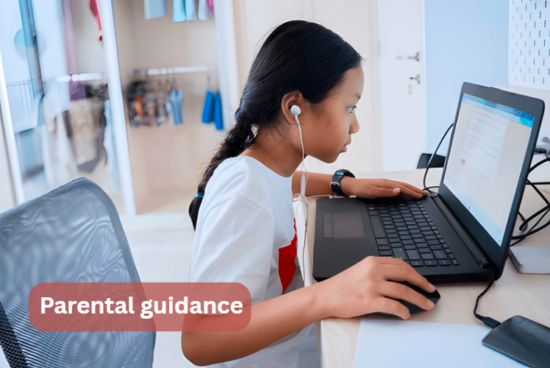
The online world is a big part of daily life now. Kids spend hours on screens.effective guidance has to include this space.
It is not only about setting limits. It is about talking openly about what they see and do online.
Some parenting platforms like chelsea acton and famousparenting often talk about this shift. Digital life is now part of real life.
In the United States, issues like cyberbullying and unsafe content are common concerns.
Kids need guidance, not just restrictions. They need to understand why something is risky.
That understanding lasts longer than rules.
10.It prepares them for real life

At some point, children grow up and make their own decisions. That is the goal.Active Parental support is not meant to control forever. It is meant to prepare.
Simple things matter here. Letting kids make small choices. Letting them face small consequences.That is how they learn responsibility.
In the United States, young adults deal with many pressures once they leave home. Work, money, relationships.The habits they carry from home shape how they handle all of it.
Necessary guidance builds that base over time.
Conclusion
Parental guidance is not about doing everything right. No parent does.
It is about being present more than perfect. Being consistent even when it is hard.
Kids do not need perfect homes. They need steady ones.
Life today is fast and sometimes messy. That will not change. What still matters is the role parents play in the middle of it.
That is why such guidance still matters, maybe more than ever now. Read more about parenting at https://momlifefamousparenting.com/