
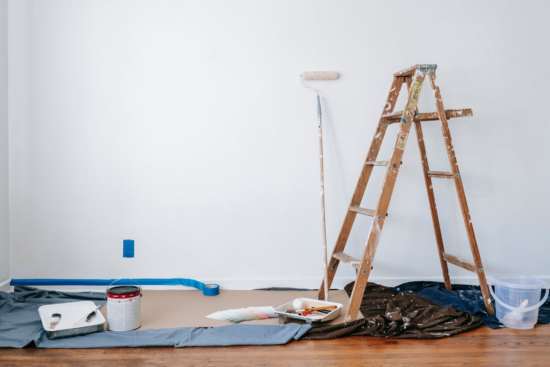
Have you ever walked through your house in Texas and thought everything looked fine, until something started leaking, cracking, or making a weird noise? Homeownership works like that. Between heat, storms, and daily wear, small issues can grow fast if ignored. The good news is that basic upkeep doesn’t need to feel like a full-time job. In this blog, we will share home maintenance tips every homeowner should know to avoid expensive surprises.
Start With the Stuff That Prevents Big Problems
The smartest homeowners don’t wait for something to break before paying attention. They handle small tasks on a schedule, because prevention costs less than emergency repairs and also saves a lot of stress.
One of the first things you should do is check for water leaks. Look under sinks, behind toilets, around water heaters, and near washing machines. Even a slow drip can cause mold, damaged cabinets, and warped floors. Fixing it early might only take a wrench and a few dollars.
Next, stay consistent with HVAC filter changes. A dirty filter makes your system work harder, which increases energy use and shortens the life of the unit. Replace it every one to three months, depending on pets, dust, and how often the system runs. It’s a simple task, but it protects one of the most expensive systems in your home.
Gutters also matter more than most people want to admit. Clogged gutters cause water to overflow, which can damage siding, create foundation issues, and ruin landscaping. Cleaning them twice a year prevents a problem that becomes expensive fast.
Clutter control is another overlooked part of maintenance. When storage areas are packed, you stop noticing early warning signs like pests, moisture, or cracks. If you’re looking for facilities that offer self storage Rockwall has several local options that can help homeowners clear out garages, closets, and sheds so the home stays organized and easier to maintain. Extra space makes seasonal projects and inspections much simpler.
Keep Your Home Sealed and Protected From Wear
Homes naturally shift and settle, and small gaps appear over time. Sealing those gaps is one of the easiest ways to protect your home while also lowering utility costs.
Check windows and doors for drafts. If you feel air coming in, apply weatherstripping or caulk. These supplies are inexpensive, and they make a noticeable difference in comfort. You should also inspect exterior trim and siding for peeling paint or cracks. Paint isn’t just for appearance. It acts as a protective layer that blocks moisture and slows down decay.
Another smart move is checking your attic and basement for signs of moisture. Look for stains, musty smells, or damp insulation. If you catch moisture early, you can avoid mold cleanup and structural damage later.
It’s also worth checking the area around your foundation. If water pools near the base of your home after rain, adjust drainage or downspouts. Water is one of the biggest threats to any house, and it usually starts with something simple that gets ignored.
Focus on Safety Checks You Should Never Skip
Some maintenance tasks are about safety, not comfort. These are the ones that protect your home and the people living inside it.
Smoke detectors and carbon monoxide detectors should be tested monthly. Replace batteries at least once a year, even if they still seem fine. Many people wait until the alarm chirps at 2 a.m., which is basically the device’s way of saying it hates you.
Check fire extinguishers too. Make sure they are charged and easy to access. If you have one buried under cleaning supplies, it’s not helping anyone.
You should also inspect electrical outlets and breakers for warning signs. Flickering lights, warm outlets, or frequently tripped breakers can point to bigger issues. If you notice these, call an electrician instead of hoping the problem will magically disappear.
Plumbing is another safety area. If you have a water heater, drain it once a year to remove sediment buildup. This improves efficiency and helps the unit last longer. It also reduces the risk of sudden failure, which can flood a room quickly.
Maintain Your Roof, Appliances, and High-Cost Systems
Most homeowners don’t think about their roof until they see a leak. By then, the repair cost is usually higher than it needed to be.
You should visually inspect your roof twice a year, especially after storms. Look for missing shingles, damaged flashing, and debris buildup. If you’re not comfortable climbing, hire a professional inspector. Spending a little money on a roof check can prevent thousands in interior repairs.
Appliances also deserve attention. Clean refrigerator coils every six months to help it run efficiently. Check dryer vents regularly, because lint buildup is a major fire risk. Flush your dishwasher filter and run cleaning cycles to prevent odors and clogs.
If your home has a sump pump, test it before rainy seasons. If it fails when you need it, the cleanup will be far more expensive than the replacement.
Build a Simple Maintenance Calendar
Home maintenance becomes stressful when you treat it like random emergencies. It becomes manageable when you treat it like routine.
A basic schedule keeps things simple. Replace HVAC filters regularly. Clean gutters twice a year. Check plumbing monthly. Inspect the roof and exterior seasonally. Test alarms monthly. Deep clean appliances a few times a year.
The point isn’t perfection. The point is staying ahead of problems while they are still small.
Right now, with rising repair costs and higher labor prices, being proactive matters more than ever. A well-maintained home runs better, costs less to operate, and holds its value longer. Most importantly, it lets you enjoy your home without constantly worrying about what might break next.