

Being a flawless parent is not the goal of positive parentingIt’s about being calm, constant, and in the moment. It means guiding your child instead of controlling them. It means teaching instead of punishing.
Many parents today are trying to raise strong, confident kids, but it can feel overwhelming. There is so much advice out there that it becomes confusing. Positive parenting keeps things simple. It focuses on respect, connection, and everyday actions that shape a child’s behavior over time.
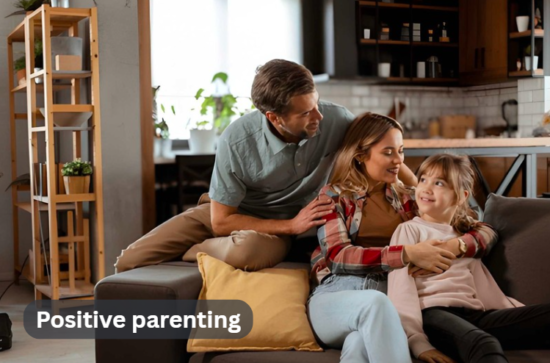
When children grow up in a supportive home, they learn how to handle stress, deal with failure, and build healthy relationships. Positive parenting helps children become emotionally strong without fear or pressure.
In this post, you will learn eight simple ways to practice positive parenting in your daily life.
1. Listen without rushing

Most kids do not need advice right away. They need someone to listen.
When your child talks, stop what you are doing for a moment. Look at them. Let them finish. Do not interrupt or correct them too quickly. This shows them that their voice matters.
If your child says they had a bad day, instead of fixing the problem, try saying, “Tell me what happened.” That one sentence can open the door.
Parents in parenting spaces often say that listening alone reduces half the daily conflicts at home. Kids feel calmer when they know they are being heard.
Listening also teaches children how to express themselves.
2. Praise Effort, Not Perfection
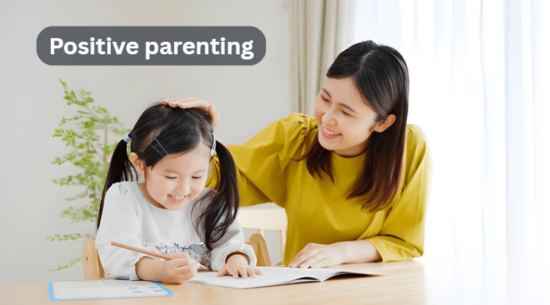
Kids notice when we praise results but ignore effort. “You got an A” feels good, but “I can see how hard you tried” sticks longer.
That small change matters. It teaches them to value effort, not just results. When kids believe effort matters, they do not give up easily. They try again. That is how resilience is built.
Chelsea Acton famousparenting ideas often highlight this point. Children who are encouraged for effort tend to handle failure better. They do not see mistakes as something to fear. Keep your words simple and honest. Notice the small things they do right. It builds confidence slowly, but it lasts.
My son has been learning to ride his bike. He fell so many times he wanted to quit. Instead of scolding him or pushing him, I reminded him, “I can see you’re really trying, and that’s what counts.” That day, he didn’t master the bike but he didn’t give up either.
Even small everyday actions helping a sibling, completing a chore, showing kindness—deserve recognition. Positive parenting teaches kids that mistakes are part of learning, not signs of failure.
3. Set rules and stick to them
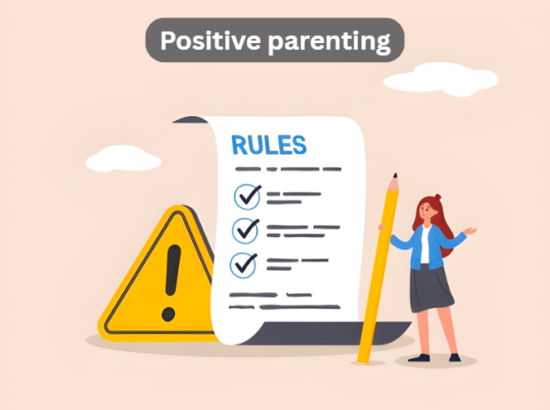
Kids need rules. It makes them feel safe.But the way you set those rules matters. Instead of shouting or forcing, explain things calmly. For example, “Homework first, then TV.”
Say it once. Stay calm. Be consistent.
Families following famousparenting approaches often see that children respond better to calm rules than to anger. When rules are clear, kids know what to expect.
Too many rules are not necessary. Just a handful that you adhere to daily. That consistency builds trust.
4. Show the behavior you want
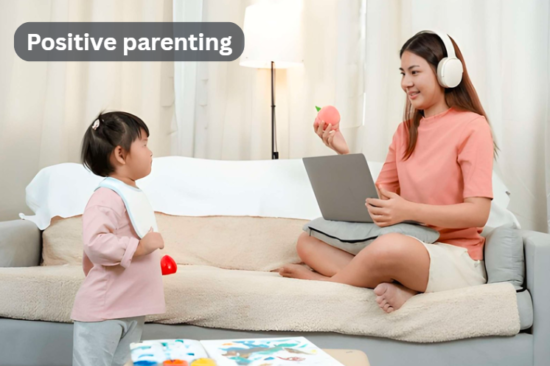
Children learn by watching you. Not by listening to long lectures.They will learn to be calm if you remain composed under pressure. If you speak kindly, they copy that tone. If you apologize when you are wrong, they learn responsibility.
This is one of the strongest parts of positive parenting. Your actions teach more than your words.
Even small habits matter. Saying thank you. Helping others. Staying patient in tough moments. These things shape your child’s behavior over time.
Research shared on famousparenting.com also supports this. Kids often mirror what they see at home.
5. Talk about feelings openly
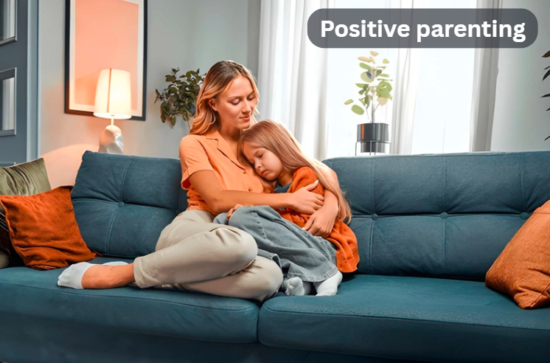
Many children struggle because they do not understand their emotions.You can help by naming feelings. If your child looks upset, say, “You seem angry” or “You look worried.” This helps them connect words with emotions.
Over time, they learn to say how they feel instead of acting out.
Additionally, you can simply express your own emotions.. “I feel tired today” or “That made me happy.” This shows them that emotions are normal.
This is a big part of positive parenting. It builds emotional strength and helps children handle stress better.
6. Spend simple time together
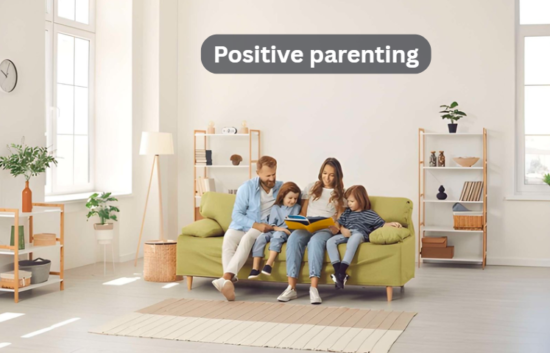
You do not need big plans to connect with your child. Simple time is enough.
Sit with them while they play. Talk during meals. Walk together. Read a short story before bed.
Parents in momlife groups often say that regular small moments matter more than big events. Kids remember time, not things.
When you spend time together, your child feels important. That feeling builds confidence and trust.
Even ten minutes a day can make a difference if you are fully present.
7. Let them try and fail
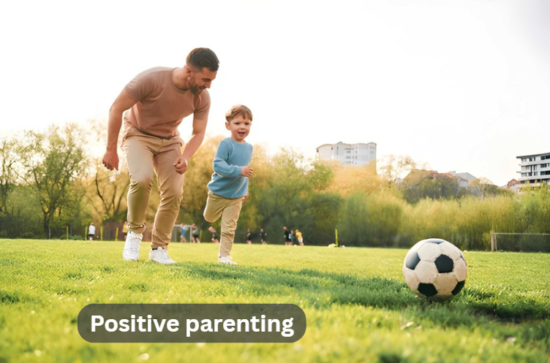
Man, it’s tough to watch your kid struggle. You just want to jump in and fix everything. I do it all the time. My gut says, “Here, let me do it for you.” But I’ve learned that rushing in too fast can actually hold them back.
Yeah, it’s messy. Yeah, it takes longer. But that’s how they learn. I stay close, just in case, but I don’t take over.
I’ll ask little questions instead: “Hmm, what do you think you can try next?” or “Which way might work?” Stuff like that nudges them without doing it for them. My daughter was working on this puzzle last week. She kept trying the same piece over and over, getting frustrated. I could feel myself itching to just fix it. But I didn’t. I just said, “Want to try a different corner first?” The pride on her face was priceless.
Doing this builds independence.Children discover that it’s okay to fail. It’s merely a component of education. They discover they are capable of resolving issues independently. That’s the kind of confidence that sticks. Support them, sure but don’t control every single step. That’s the balance. That’s what positive parenting really looks like in real life.
8. Stay patient, even on hard days
Some days will test you. Kids get upset. Plans fail. Things go wrong.This is where patience matters most.
Staying calm does not mean ignoring behavior. It means responding without anger. Take a breath before reacting. Speak slowly. Keep your tone steady.
Children learn how to handle stress by watching you. If you stay patient, they learn patience too.
parenting discussions often highlight that consistency and calm behavior shape long-term habits in children.
What matters is showing up again the next day and trying again.
Conclusion
Positive parenting is not complicated. It is built on small, everyday actions.Listen to your child. Encourage effort. Set clear rules. Show good behavior. Talk about feelings. Spend time together. Let them try. Stay patient.
They learn how to handle challenges without fear. Honestly, positive parenting is hard sometimes. Some days I feel like I’m just winging it. But when I stop and look at my kids, I see they feel safe, understood, and supportedThat’s what matters most.
It’s not necessary to do everything at once. Really, don’t. Pick one or two small things like listening all the way through when they’re upset, or telling them “I can see you really worked hard on this” instead of just “good job” and just try them every day. That’s it. Over time, those little things start to add up.
It doesn’t have to be perfect. I screw up all the time. And that’s okay. Positive parenting isn’t about doing everything right. Little moments reading together, a hug after a rough day, noticing the small stuff matter more than anything else.
If you’re stuck for ideas, there are places like parenting with practical tips you can actually use without stress. But really, you already have most of what you need. Patience, consistency, and love that’s what makes kids resilient and confident. Read more about parenting at https://momlifefamousparenting.com/