

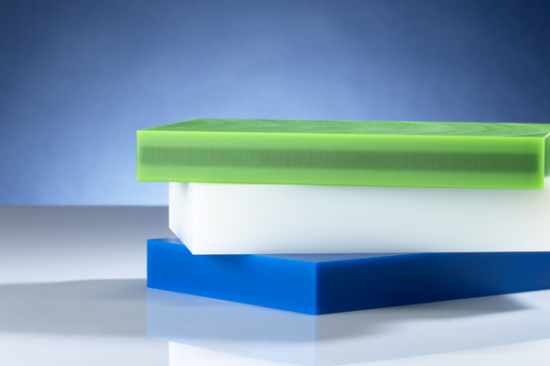
In UK manufacturing, selecting the right material for mechanical components is a decision that impacts both performance and the bottom line. Traditional metals often come with significant weight and maintenance drawbacks that can slow down production lines. Engineers and designers are increasingly turning to high-performance polymers to overcome these challenges.
Among the various engineering plastics available today, Nylon 6 stands out as a versatile and robust choice. It offers a unique combination of mechanical strength and flexibility that makes it suitable for a wide range of demanding applications. Whether you’re working in the automotive sector or food processing, understanding the specific benefits of this material is vital.
Exceptional Friction and Wear Resistance
One of the primary reasons engineers choose Nylon 6 plastic sheets is their incredibly low coefficient of friction. In any mechanical system where parts move against one another, friction is the enemy. It generates heat and leads to premature wear, which eventually causes part failure. Nylon 6 provides a smooth surface that allows components to slide or rotate with minimal resistance.
This material is also frequently self-lubricating, meaning it can operate effectively in environments where external lubricants might be difficult to apply or could contaminate the end product. This is especially useful in the food and beverage industry where hygiene is paramount. By using this plastic, you’ll ensure that your machinery runs smoothly without the constant need for grease or oil.
Significant Noise Reduction in the Workplace
Industrial environments are notoriously loud, often requiring workers to wear heavy-duty ear protection. Traditional metal gears, rollers, and bearings contribute significantly to this noise pollution. When metal strikes metal, the vibration and sound can be deafening. Replacing these parts with Nylon 6 equivalents can lead to a much quieter operating environment.
Because the material has natural dampening properties, it absorbs vibrations rather than amplifying them. This leads to a more pleasant workplace and also reduces the physical stress on the machine’s frame.
Extending Component Lifespan
Durability is a key factor in any machining project. You don’t want to be replacing parts every few months because they’ve succumbed to corrosion or impact damage. Nylon 6 is known for its high impact strength and toughness. It’s able to withstand significant shocks without cracking or breaking, which is a common issue with more brittle plastics.
Furthermore, this material is highly resistant to many chemicals and oils. In a busy workshop, components are often exposed to harsh cleaning agents or industrial fluids. Nylon 6 maintains its structural integrity under these conditions, ensuring that the parts you machine today will still be performing at their best for years to come.
Reducing Maintenance Costs
Every time a machine goes down for repairs, it costs the business money in both parts and lost production time. By switching to high-performance plastic components, you can significantly extend your service intervals. Because these parts don’t rust and are resistant to wear, the frequency of required inspections and replacements will drop.
Using these materials allows you to allocate your maintenance budget more effectively. Instead of constantly firefighting broken components, your team can focus on optimising processes and improving overall output.
Final Overview
The shift toward Nylon 6 in modern machining is a testament to the material’s reliability and efficiency. It’s clear that the benefits go far beyond simple cost savings, as they touch on safety, durability, and environmental impact.
For any business looking to modernise its machinery, these sheets offer a practical and high-performing solution. By choosing the right materials at the design stage, you’ll set your projects up for long-term success.